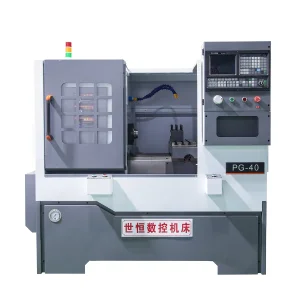
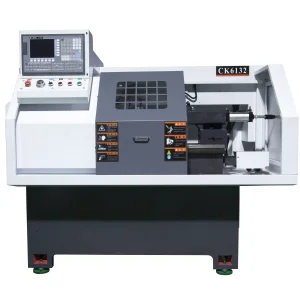
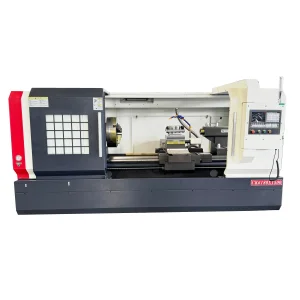
Integrating precision component milling and rapid lathe functions into a single setup, optimized for local production scales.
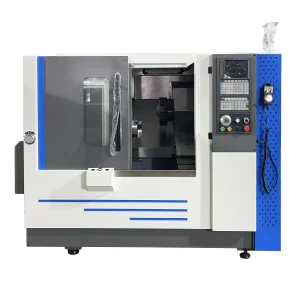
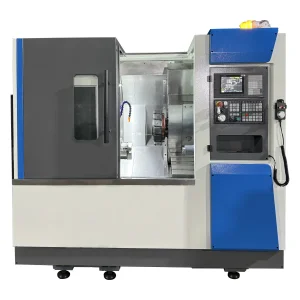
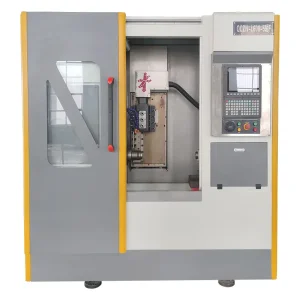
The industrial sector in Nepal, centered across corridors in Birgunj, Biratnagar, Lalitpur, and Bhairahawa, is shifting from manual repair shops to complex component manufacturing. Key national economic drivers—specifically hydropower expansion, agricultural machinery distribution, and structural construction—rely heavily on imported mechanical parts. With fluctuating global supply chains, local Nepalese factories face significant pressure to manufacture spare parts domestically.
However, traditional separate operations for lathe turning and milling generate high labor costs, compound clamping alignment errors, and require excessive physical floor space. This is where Turn-Milling Composite Machines provide a competitive edge. By integrating both operations on a single multi-axis configuration, Nepalese manufacturers can achieve "Done-in-One" processing. This minimizes mechanical footprint requirements and bypasses the critical shortage of precision CNC operators in the region.
Additionally, with modern grid improvements in Nepal, manufacturers are upgrading from manual machinery to energy-efficient CNC controllers. Our Turn-Milling systems feature tailored electrical configurations compatible with the local 3-phase grid and integrate with protective systems to handle voltage fluctuations, protecting critical servo motors and drives.
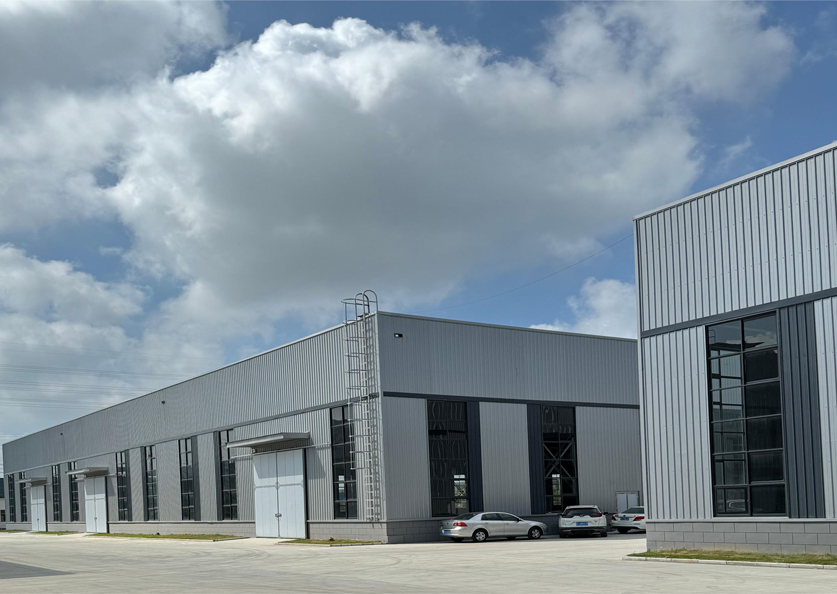
Combining high-precision Chinese engineering with localized operational support for Nepalese and international factories.
By using direct-drive spindle pulleys, super-audio hardened guide rails, and high-precision bearings, we deliver premium performance without the high price tag of European brands, maximizing ROI for factories in Kathmandu and Rupandehi.
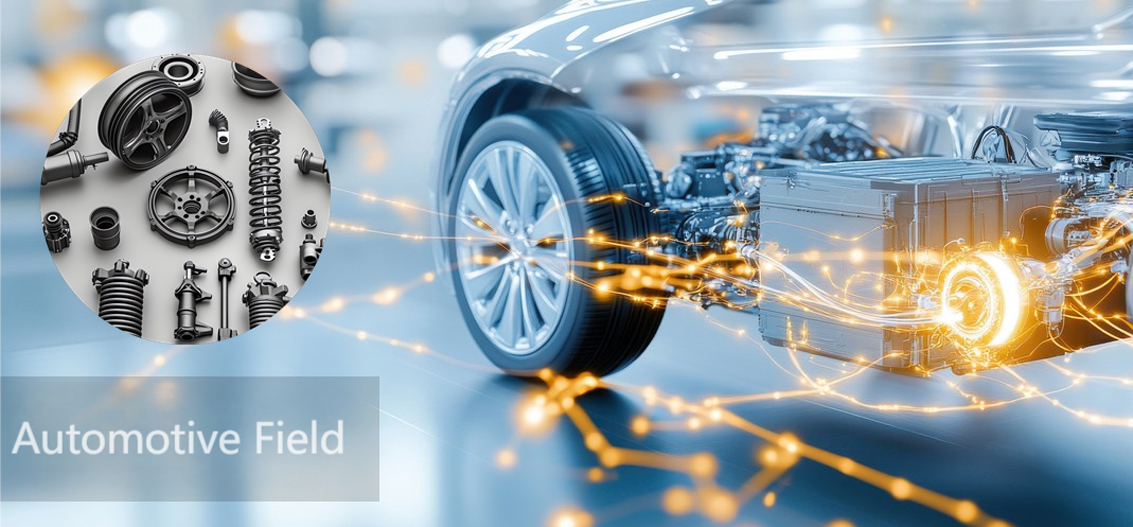
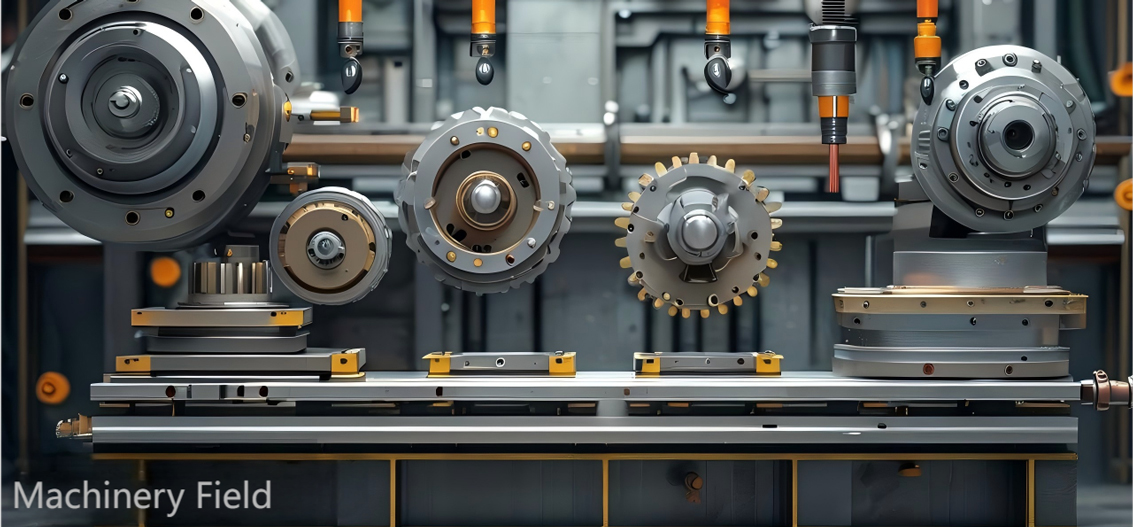
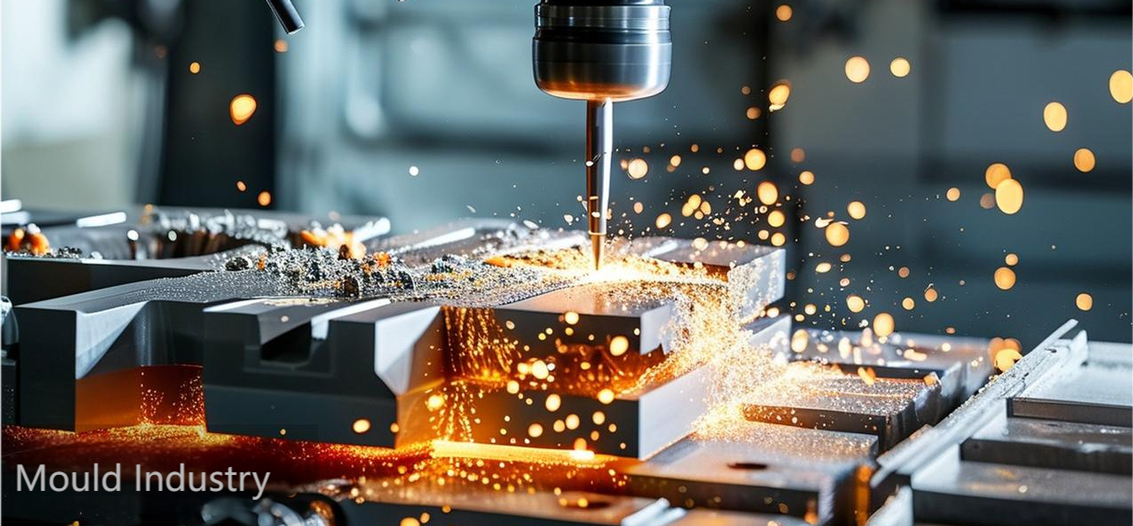
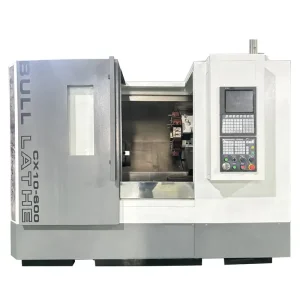
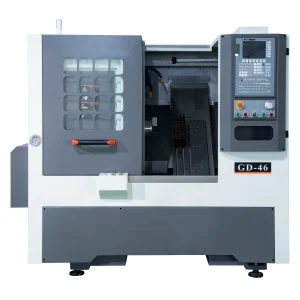
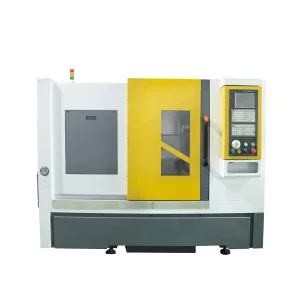
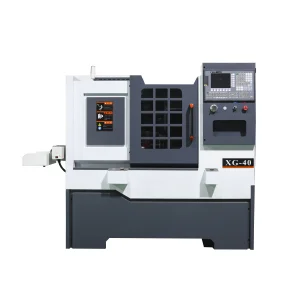
Our CK, XG, and GD series machines feature vertical and horizontal positioning systems to control strokes accurately. This makes them ideal for manufacturing instruments, electrical parts, and auto spares.
Every lathe bed goes through precision stress relief, surface induction hardening, and grinding. Dynamic positioning accuracy is verified with laser interferometers before packaging for international transport.
How Nepalese manufacturing operations utilize composite CNC machinery to scale production.
We maintain strict process controls from casting to final testing. This structural integrity ensures the machine maintains accuracy over years of high-speed turning and milling operations.
Heavy grey cast iron beds go through stress-relieving heat treatment to prevent deformation.
Processed on gantry machining centers to ensure alignment of linear guide rails and ball screws.
System integration using dust-sealed electrical cabinets designed for industrial environments.
*Our quality standards comply with CE certificate requirements. We verify positioning using laser interferometer analysis under simulated load conditions before packing machines for road transit to Kathmandu or sea transit via Kolkata Port.
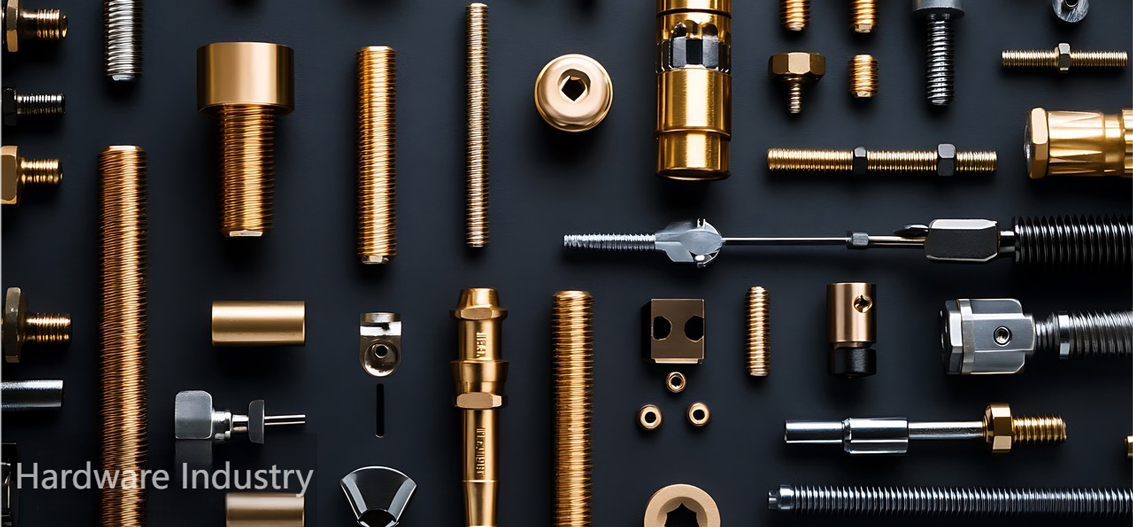
From slant bed options with Y-axis capabilities to compact models for custom hardware fabrication.
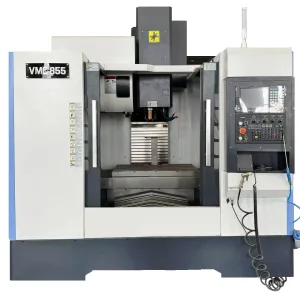
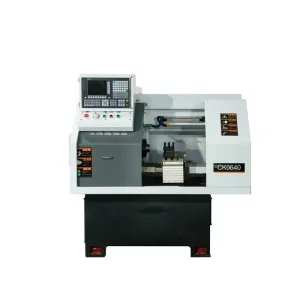
Simplifying cross-border transit, customs clearance, and local installation requirements.
Purchasing heavy machinery for import to Nepal requires careful coordination. Over years of supplying precision CNC lathes globally, we have optimized our distribution processes to support Nepalese industrial clients:
For urgent deliveries, we coordinate overland container shipping from our factories through Tibet via the Kerung/Rasuwa Gadhi or Tatopani customs borders, directly into Kathmandu. Alternatively, sea freight can be routed through China to Kolkata Port in India, then transported by road or rail into Nepal's dry ports at Birgunj or Biratnagar.
Given the mountainous road conditions in Nepal, all machinery is protected with heavy anti-rust oil, vacuum sealed, and secured within reinforced fumigated wooden crates. This safeguards critical electronic controls and mechanical alignments from vibration and moisture.
Our engineering team helps configure machine systems for local grids. Because power grids can experience sudden voltage fluctuations, we recommend setting up 3-phase automated voltage regulators (AVR) alongside our machines to protect the electronics.
Addressing technical and commercial details about importing Turn-Milling composite machines to Nepal.
Turn-Milling machines allow you to finish complex parts in one setup. This eliminates clamping errors when transferring parts between machines, saves valuable workshop floor space, and cuts down on cycle times. It also reduces the amount of manual labor required for secondary operations.
We provide remote video configuration, detailed operation manuals, and pre-programmed parameters. If you need on-site support, we can arrange for skilled engineers to visit your facility in Nepal to handle commissioning, align the machine, and train your staff.
Our machines support popular control systems like GSK, Fanuc, and Siemens. To protect against voltage drops or surges, the electrical systems use high-quality relays and components. We advise using a dedicated 3-phase voltage stabilizer to ensure reliable operation.
The manufacturing and testing cycle takes 30 to 45 days, depending on customization. Land transport from our factory in China to Kathmandu through the Keyrung border crossing usually takes an additional 15 to 20 days, depending on customs clearance times.
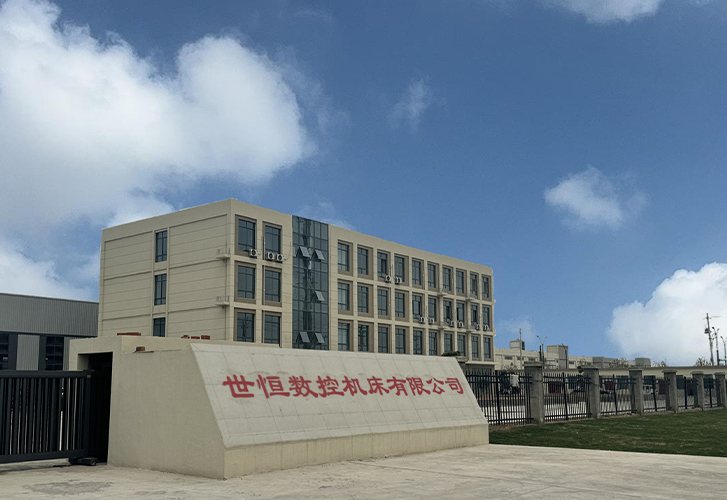
 XINSHIHENG