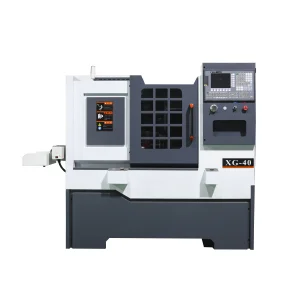
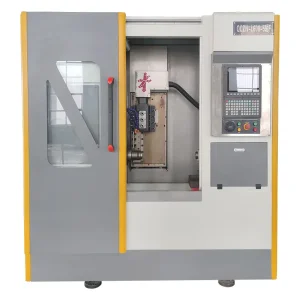
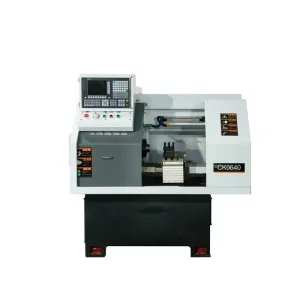
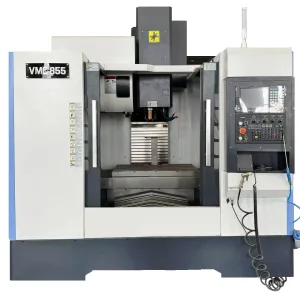
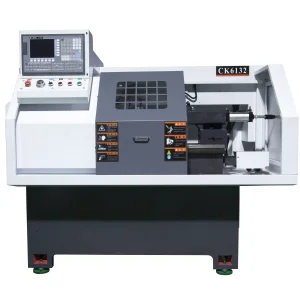
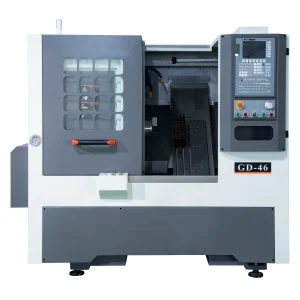
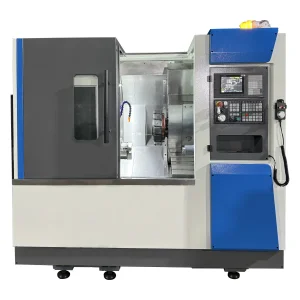
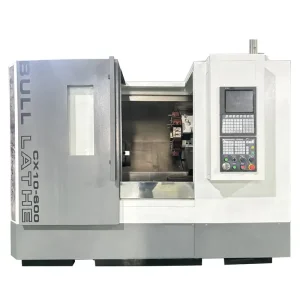
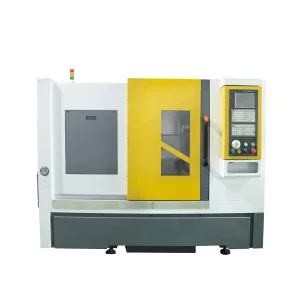
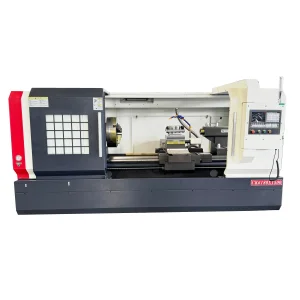
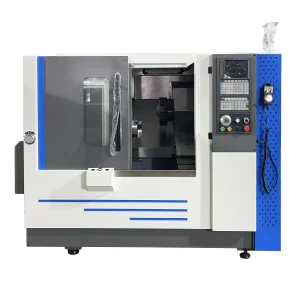
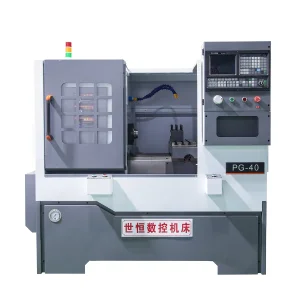
In the current global manufacturing landscape, sourcing "Custom Lathe Equipment" has evolved beyond simple transactional procurement. Today, it requires a deep understanding of Industry 4.0 integration, IoT-ready machine connectivity, and stringent ISO-compliant precision standards. As Industry 4.0 gains momentum, factories are transitioning from manual control to automated, AI-driven adaptive machining.
Modern buyers are shifting focus from lowest-cost to "Total Cost of Ownership" (TCO). This includes energy efficiency, software longevity, and the availability of local technical support. Smart factories prioritize modular designs that allow for easy upgrades as technological requirements change.
Future-proofing your assembly line requires investing in multi-axis synchronization (3, 4, and 5-axis capabilities). Our research indicates a massive surge in demand for Y-axis milling and high-speed tailstock automation to reduce cycle times while maintaining sub-micron accuracy.
Navigating international regulatory frameworks is critical. Whether it is CE certification for European markets or UL standards for North America, our manufacturing processes are audited to ensure seamless compliance, reducing lead times in customs and installation phases.
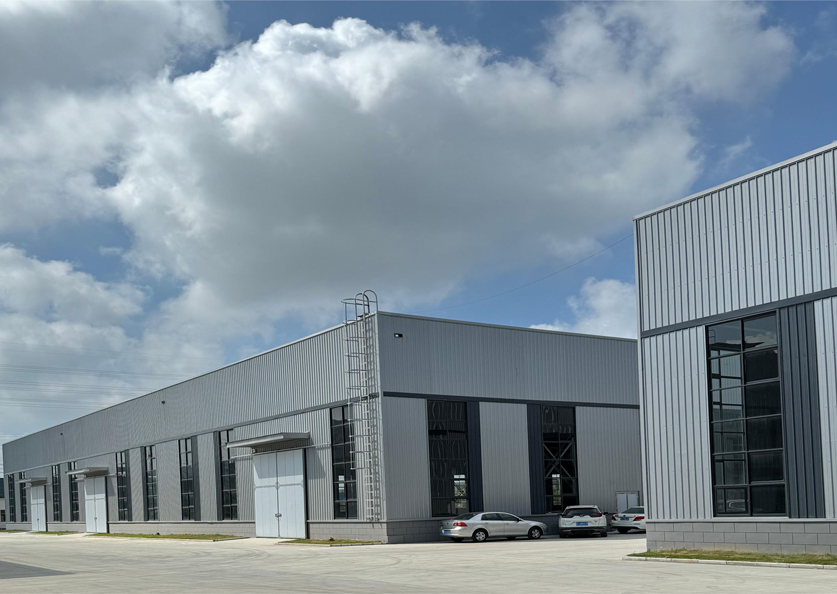
Strategically located in Taizhou and Huaian, our 30,000 sqm facility represents the pinnacle of modern Chinese manufacturing. We combine industrial-scale production with precision engineering.
Our R&D team integrates advanced IoT sensors and adaptive machining algorithms to ensure our lathes exceed standard market accuracy requirements.
From small-scale precision benchtop mills to heavy-duty industrial gantry centers, we cater to every segment of the manufacturing lifecycle.
Hardened guide rails, super-audio heat treatment, and rigorous stress testing protocols underpin our guarantee of machine longevity.
One size doesn't fit all. We provide bespoke tooling, custom software interfaces, and specialized work-holding solutions tailored to your production flow.
A: Slant bed lathes offer superior chip evacuation and higher rigidity, making them ideal for high-speed, high-precision machining, whereas flat bed lathes provide better accessibility for specific, simple manual-override tasks.
A: We provide remote diagnostic support, modular part replacement kits, and detailed technical documentation to ensure our global clients experience minimal downtime.
A: Yes, our CNC control systems are open-architecture and compatible with G-code standards, ensuring seamless integration with mainstream CAD/CAM software like AutoCAD, SolidWorks, and Mastercam.
 XINSHIHENG