Empowering Global Manufacturing with Precision, Automation, and Industry 4.0 Excellence
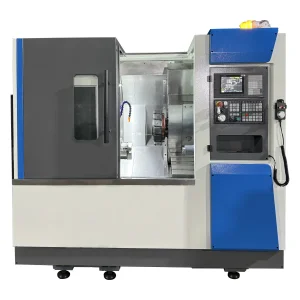
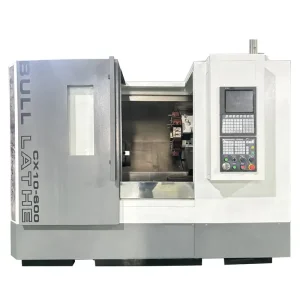
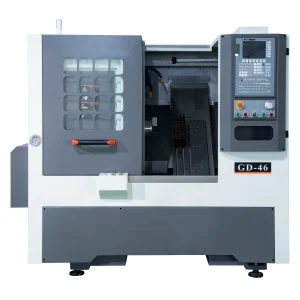
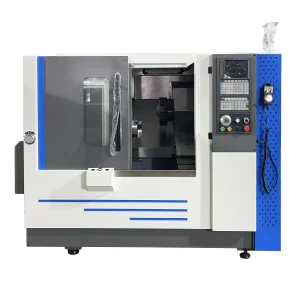
The global manufacturing landscape is undergoing a paradigm shift, transitioning towards Industry 4.0 standards. At the heart of this revolution lies the Gantry 5-Axis CNC Machine. Unlike traditional 3-axis systems, 5-axis technology allows for the simultaneous movement of tools across five axes, enabling the production of complex, high-precision components that were previously impossible to machine.
Industrial demand for Gantry 5-Axis CNC machines is surging in aerospace, automotive, and medical device sectors. As global supply chains prioritize near-shoring and resilient production, China has emerged as the premier manufacturing hub, offering an unrivaled combination of engineering talent, raw material access, and massive-scale production efficiency. Manufacturers are increasingly seeking partners who can provide not just hardware, but complete "Turnkey Solutions" that include automation, software integration, and post-sales technical support.
Located in the machinery hub of Zhejiang, China, we operate a facility spanning 30,000 square meters. Our infrastructure is built for scale and precision.
Our R&D team integrates cutting-edge IoT and automation sensors into our CNC systems for real-time monitoring and predictive maintenance.
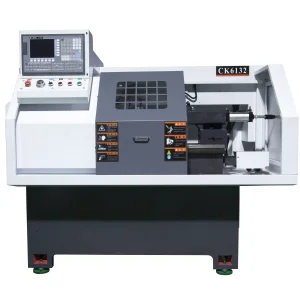
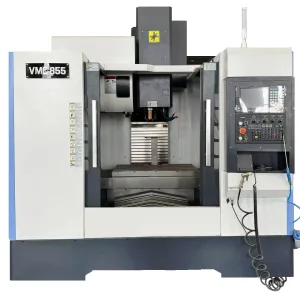
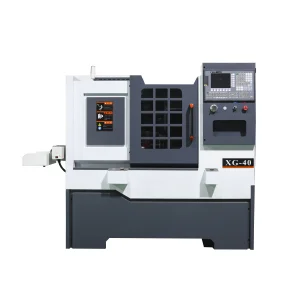
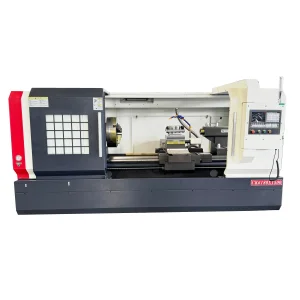
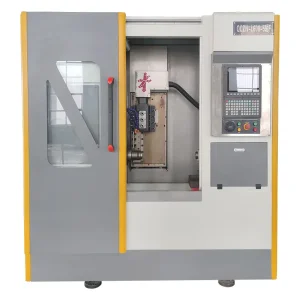
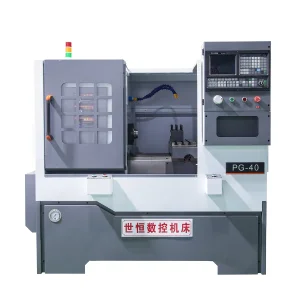
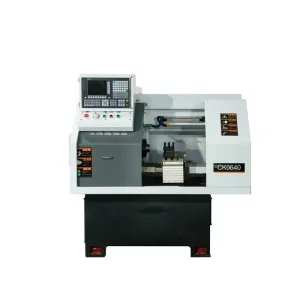
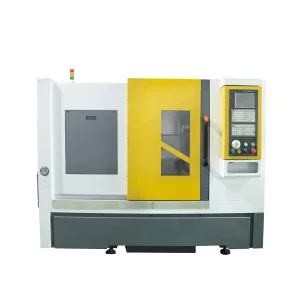
From small-batch prototyping benchtop mills to heavy-duty gantry centers for massive industrial applications.
Strict quality control protocols. We harden guide rails using super-audio frequencies for unmatched durability.
One-size-fits-all is obsolete. We offer tailored software interfaces and custom work-holding for your specific machining geometry.
Q: Why is a 5-Axis Gantry Machine superior for complex parts?
A: 5-axis machining reduces setup time by enabling complex geometries to be finished in a single clamping cycle, significantly improving precision and reducing human error.
Q: What makes Chinese CNC factories competitive?
A: China's "industrial cluster" effect allows for optimized procurement costs, rapid prototype iteration, and a highly skilled technical workforce that Western markets find hard to replicate at scale.
Q: How do I verify a manufacturer's reliability?
A: Look for ISO certifications, evidence of in-house R&D, production area scale (like our 30,000m² facility), and a robust after-sales support system.
 XINSHIHENG