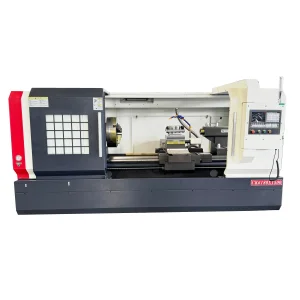
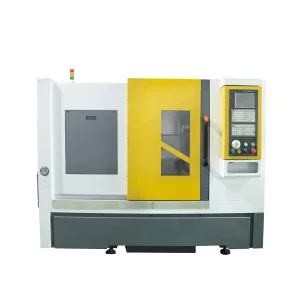
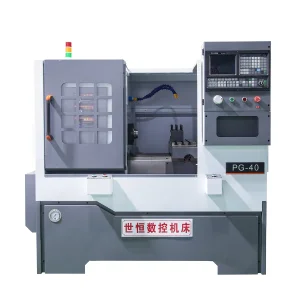
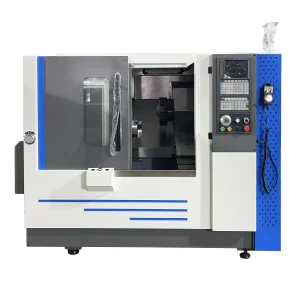
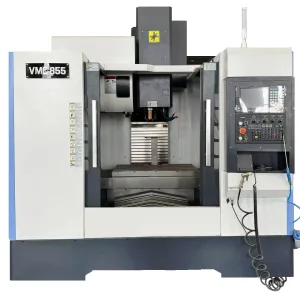
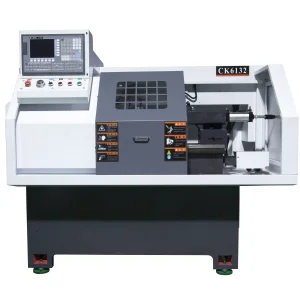
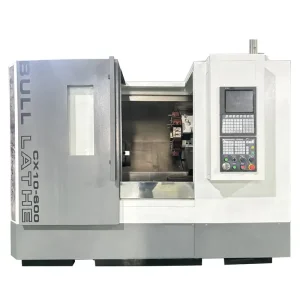
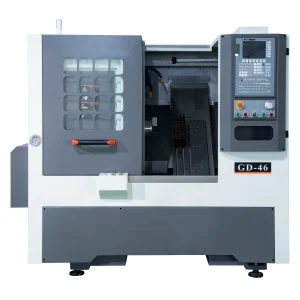
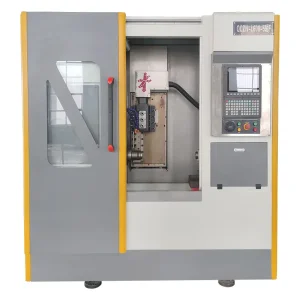
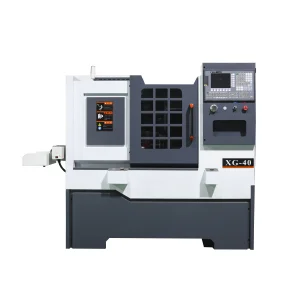
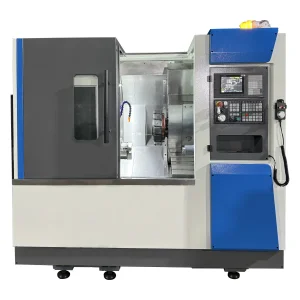
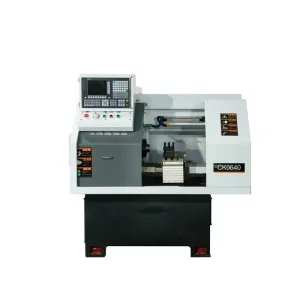
In the contemporary landscape of global manufacturing, the 5-axis milling machine has transitioned from a specialized luxury to an essential backbone for high-precision industries. As a premier manufacturer, we observe that the global market is shifting toward "Smart Manufacturing." The complexity of modern aerospace components, medical implants, and automotive power-trains demands machine tools that can execute multi-faceted operations in a single setup.
The information gain in this sector comes from understanding that 5-axis machining isn't just about movement; it's about the reduction of geometric error. By minimizing the number of times a workpiece must be re-fixtured, we drastically reduce tolerance stacking, leading to superior final part quality.
We are integrating real-time sensor data from our spindles and axes into digital twin models. This allows manufacturers to simulate cutting processes before the tool touches metal, effectively eliminating waste and preventing collision scenarios.
The future lies in hybrid machines. Our R&D team is focusing on modular head designs that allow 5-axis milling machines to switch between laser cladding (additive) and high-speed milling (subtractive), optimizing material usage.
As energy costs rise, our latest 5-axis models feature regenerative drive systems and smart cooling management, reducing power consumption by up to 25% compared to legacy architectures.
Based in the heart of Zhejiang’s machinery hub, we operate across a massive 30,000 square meter production facility. Our commitment to E-E-A-T (Experience, Expertise, Authoritativeness, Trustworthiness) is evidenced by our integrated supply chain, from the foundational casting of machine beds to the sophisticated installation of high-precision control circuits.
A 3-axis machine is limited to flat surfaces and simple profiles. A 5-axis machine can approach the workpiece from any angle, allowing for the machining of complex geometries, undercut features, and contoured surfaces in a single setup, drastically increasing throughput.
We utilize laser interferometers and ballbar testing to calibrate our machines. Every machine undergoes rigorous load testing and "Precision Debugging" to ensure accuracy remains consistent even under heavy industrial loads.
Aerospace, medical device manufacturing (implants), complex automotive mold making, and high-end hardware manufacturing are the primary beneficiaries of our high-precision milling technology.
 XINSHIHENG