In the fast-paced world of manufacturing, choosing the right equipment is crucial. Large Bore CNC Lathes play a significant role in many industries. These machines offer the precision and strength needed for heavy-duty machining tasks. Selecting the right lathe can greatly impact efficiency and productivity.
However, with so many options available, buyers often face confusion. It’s essential to evaluate each machine based on its features, reliability, and performance. Not all large bore lathes are created equal. Buyers must consider factors like build quality and technology advancements. Making a wrong choice can lead to operational setbacks.
Understanding the specifications and capabilities of different models is necessary. While traditional lathes may seem sufficient, large bore CNC lathes provide modern solutions for complex projects. This guide reviews the top five options available on the global market. It aims to help buyers navigate their choices with informed insights.
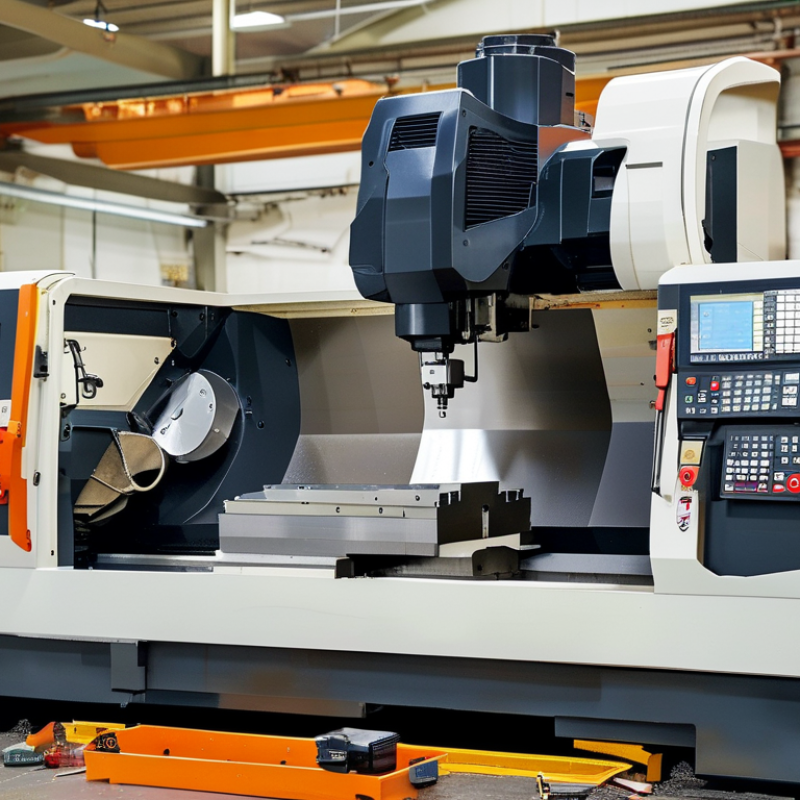
Large bore CNC lathes are essential in many industries, enabling efficient machining of large components. They cater to production requirements that standard lathes cannot meet. These machines are engineered to handle heavy-duty operations, making them suitable for industries like aerospace and oil and gas.
When selecting a large bore CNC lathe, it’s critical to consider the specifications. Factors such as spindle size, maximum swing diameter, and bed length significantly impact performance. The intricate design of these lathes often requires expert knowledge to operate effectively. Users may face challenges in adjusting settings for different materials. Each piece will require a unique approach.
Despite advancements, some users find it challenging to maximize efficiency. Operators may feel overwhelmed by complex programming options and integration with other systems. With experience, they can gradually enhance their operation skills. Continuous learning and adaptation are vital. The right training can bridge gaps in understanding, boosting overall productivity.
When considering large bore CNC lathes, buyers must focus on essential features that determine performance and reliability. The spindle bore size is critical. A larger bore enables the handling of thicker materials, which is crucial for heavy-duty machining tasks. Additionally, the maximum swing and distance between centers greatly influence the types of workpieces processed. Ideal machines should support various diameters and lengths for enhanced versatility.
Another vital feature is the power and torque of the spindle. High torque at low speeds allows for better control during initial cuts. Furthermore, rigidity is essential to maintain precision. A robust construction with minimal vibration leads to superior accuracy over time. Buyers must also consider the control systems used. Intuitive interfaces and advanced programming capabilities enhance productivity, yet user-friendliness can sometimes take a backseat to complexity.
Buyers often overlook maintenance needs. Some lathe models require extensive upkeep, impacting long-term cost-effectiveness. Considerations like ease of access to components should not be underestimated. It’s also essential to evaluate the availability of support and parts. A lack of reliable service can lead to prolonged downtime. In conclusion, comprehensively assessing these factors will provide a clearer direction in selecting the right machine for unique manufacturing needs.
When considering large bore CNC lathes, buyers need versatile options tailored to various applications. These machines serve industries like aerospace, automotive, and large part manufacturing. Their capability to handle substantial workpieces makes them invaluable.
One top recommendation is a lathe designed for precision machining. This machine features robust construction for stability during operation. It's especially effective for complex geometries. Another option is a lathe with advanced automation features. This can significantly reduce cycle times, although integration may pose challenges.
For those focusing on heavy-duty tasks, a lathe that supports high torque operations is essential. It accommodates tough materials and large diameters. However, buyers should be aware of the maintenance needs of such machines. Some lathes may require regular calibration to ensure peak performance. Overall, selecting the right CNC lathe involves balancing machine capabilities with specific production goals.
| Model | Bore Diameter (mm) | Max Turning Length (mm) | Spindle Speed (rpm) | Control Type | Weight (kg) |
|---|---|---|---|---|---|
| Model A | 120 | 1000 | 2000 | CNC | 3000 |
| Model B | 150 | 1200 | 1800 | CNC | 3500 |
| Model C | 140 | 1500 | 2200 | CNC | 3200 |
| Model D | 160 | 1300 | 2100 | CNC | 4000 |
| Model E | 180 | 2000 | 1500 | CNC | 4500 |
When selecting a large bore CNC lathe, performance and value stand as critical factors. Industry reports indicate that the market for CNC lathes is expected to grow significantly, driven by increasing demand in sectors like automotive and aerospace. A recent analysis revealed that efficient machining processes can reduce part production time by up to 30%. This highlights the importance of investing in reliable machinery that boosts overall productivity.
Leading models in the large bore CNC lathe category exhibit variations in features and pricing. Performance metrics such as spindle speed, torque, and precision play vital roles. A machine with high torque can handle tougher materials, thus expanding its range of applications. However, buyers often face challenges in balancing cost and technological sophistication. While some models tout advanced features, they may come with a steep price tag that doesn’t always correlate with improved performance.
Some manufacturers emphasize user-friendly interfaces and automation. These can enhance usability for operators at all skill levels. Yet, automation can also introduce complexity, prompting reflection on whether a simpler machine could suffice. Ultimately, assessing the right mix of performance attributes, while being mindful of budget constraints, remains a daunting task for many global buyers.
Emerging trends in large bore CNC lathe technology are reshaping manufacturing processes. Recent data indicates that the global large bore CNC lathe market is projected to grow at a CAGR of 4.5% through 2030. This growth is driven by increased demand for precision machining in industries like aerospace and oil and gas.
Automation is a key trend, enhancing efficiency. Many manufacturers are adopting technologies like IoT for real-time monitoring. This allows for predictive maintenance, reducing downtime. However, the integration of such technologies can be complex. Companies often face challenges in training staff to manage these advanced systems effectively.
Sustainability is also becoming vital. Growing pressure to minimize carbon footprints influences choices. CNC lathes now often feature energy-efficient designs and eco-friendly materials. Yet, the cost of these advanced machines can deter smaller firms. Balancing sustainability with affordability remains a significant issue. As the market evolves, a focus on both innovation and practicality is essential for success.
: They are used in industries like aerospace and oil and gas for machining large components.
Focus on specifications like spindle size, maximum swing diameter, and bed length for optimal performance.
Users often struggle with adjusting settings for different materials and complex programming options.
A larger spindle bore allows handling of thicker materials, essential for heavy-duty machining tasks.
Continuous learning and the right training can enhance operational skills and boost productivity.
Buyers should assess maintenance needs and ease of access to components to ensure longevity.
High torque at low speeds provides better control during initial cuts, enhancing precision.
While advanced programming enhances productivity, sometimes user-friendliness can be overlooked.
A rigid construction minimizes vibration, leading to superior accuracy in machining processes.
Yes, options vary for precision machining, automation, and heavy-duty tasks, each with specific features.
In the realm of precision engineering, Large Bore CNC Lathes play a crucial role in machining oversized components with accuracy and efficiency. This article provides an overview of these machines, highlighting the key features buyers should consider, such as spindle size, torque capacity, and cutting speed, which are essential for optimizing performance in various industrial applications.
Moreover, it presents a curated list of the top five Large Bore CNC Lathe options available in the market, comparing their performance and value to aid global buyers in making informed decisions. Additionally, this article explores emerging trends in Large Bore CNC Lathe technology, emphasizing advancements that enhance productivity and expand the capabilities of these powerful machines, ensuring they remain at the forefront of modern manufacturing practices.

XINSHIHENG