In the rapidly evolving landscape of manufacturing, selecting the right CNC milling machine is critical for global buyers. Joe Anderson, a leading expert in CNC technology, states, “The right milling machine can transform your production capabilities.” This highlights the importance of making informed choices in the CNC milling market.
CNC milling machines come in various types and specifications. With a myriad of options available, buyers may feel overwhelmed. Understanding the specific needs of your production line is essential. Not all machines serve the same purpose. Choosing the wrong model can lead to inefficiencies and increased costs.
As buyers navigate through the choices, they must reflect on product quality, supplier reliability, and available features. It’s not just about the price; it’s about what value the machine brings. Research shows that a good CNC milling machine can enhance precision and reduce waste. However, a poor choice can hinder productivity. Thus, the decision-making process requires careful consideration and expert insights.
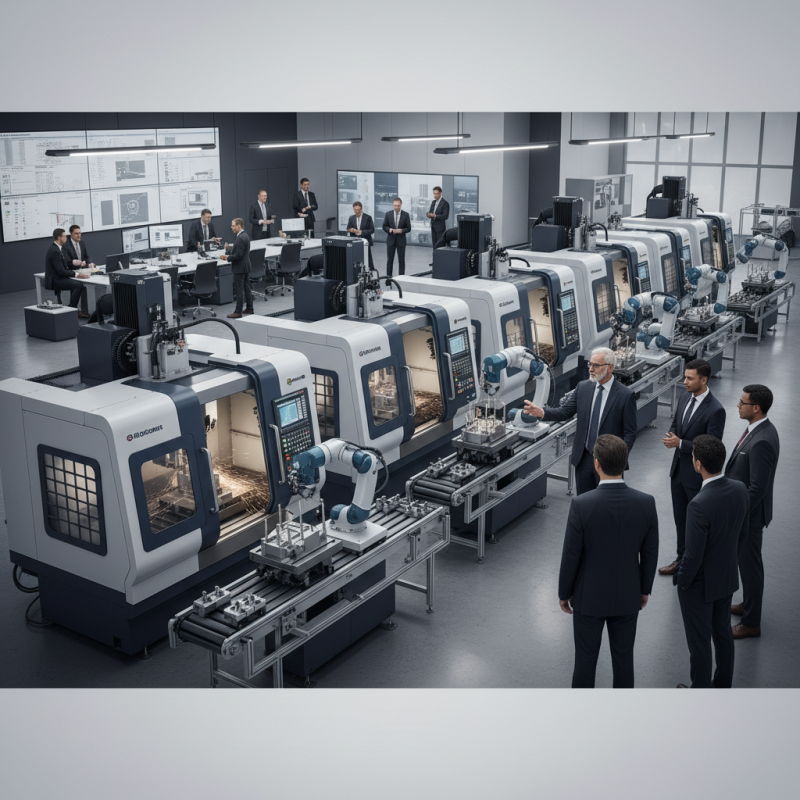
Overview of CNC Milling Machines and Their Applications
CNC milling machines are vital in modern manufacturing. They allow for precision machining of metals, plastics, and composites. With technology adapting rapidly, these machines are now more versatile than ever. Their applications range from aerospace to medical device manufacturing. This diversity highlights their importance in numerous sectors.
Understanding CNC milling requires acknowledging both its strengths and limitations. While these machines excel in creating complex parts, they can struggle with very small or intricate designs. Setup time can be considerable, impacting productivity. It's essential to weigh these factors when selecting the right milling machine.
Quality and reliability are key when choosing CNC milling machines. Manufacturers often prioritize durability and after-sales support. A robust machine can withstand the rigors of continuous use. Ensuring a steady supply of parts and service is critical for operational efficiency. Hence, educating oneself on these aspects can lead to more informed purchasing decisions.
Key Factors to Consider When Choosing a CNC Milling Machine
Choosing the right CNC milling machine is crucial for manufacturing success. Buyers must consider several key factors before making a decision. First, evaluate the machine's capabilities. Look at the size, speed, and precision it can achieve. Different tasks require different specifications. Not every machine suits every project.
Another important factor is the control system. A user-friendly interface can enhance productivity. Complex systems might require extensive training and lead to frustration. Consider the learning curve when assessing options. Maintenance requirements are also essential. Machines that are difficult to service can result in downtime.
**Tips:** Always check customer reviews. They can reveal hidden issues. Assess your workspace too. Ensure your chosen machine fits comfortably and is accessible. Finally, consider future needs. A machine that meets current demands may not be suitable for growth. It's wise to balance current requirements with future potential.
Top Manufacturers and Brands in the CNC Milling Machine Market
The CNC milling machine market showcases various top manufacturers and brands known for quality and precision. Buyers worldwide seek machines that meet specific production needs. Many companies focus on creating reliable, efficient, and user-friendly options. They invest in advanced technology to ensure accurate machining.
Some manufacturers are known for their strong support and service networks. Accessibility to spare parts and timely customer service is crucial for businesses. Expertise in CNC technology keeps these brands competitive. They continuously innovate, adapting to industry demands. However, issues can arise with maintenance, requiring careful management.
Trade shows and exhibitions often highlight the latest in CNC milling technology. Observing machines in action provides insights into performance and reliability. Prospective buyers can see firsthand how different models handle tasks. Evaluating options may lead to tough decisions, especially when balancing cost and features. This complexity is part of the purchasing journey, making thorough research essential.
Comparative Analysis of Leading CNC Milling Machines
CNC milling machines have become essential in manufacturing. They provide precision, speed, and efficiency. A recent industry report indicates that the global CNC machining market is projected to exceed $100 billion by 2025. This growth is driven by advancements in automation and the demand for high-quality production. Buyers must compare machines based on functionality, reliability, and pricing.
When analyzing leading CNC milling machines, consider factors like cutting speed, spindle power, and workspace size. These specifications directly influence productivity. For instance, machines with higher spindle power can handle tougher materials, enhancing utility in various sectors. Limited after-sales support can be a red flag, as downtime affects production schedules significantly.
Another crucial aspect is software compatibility. Modern CNC machines require advanced software for programming and operation. This can create a steep learning curve for operators. According to a survey by manufacturing analysts, about 30% of companies cited software integration issues as a reason for delays in full operational capability. Balancing features with ease of use is, therefore, a vital consideration for global buyers.
Top 10 CNC Milling Machine Options for Global Buyers
| Model |
Max RPM |
Travel Length (X, Y, Z) |
Tool Capacity |
Power Rating |
Weight |
| Model A |
10,000 RPM |
800 x 500 x 500 mm |
24 tools |
7.5 kW |
2,000 kg |
| Model B |
9,000 RPM |
700 x 400 x 450 mm |
30 tools |
5.5 kW |
1,800 kg |
| Model C |
12,000 RPM |
900 x 600 x 600 mm |
40 tools |
8 kW |
2,500 kg |
| Model D |
11,000 RPM |
1,000 x 800 x 700 mm |
20 tools |
10 kW |
3,000 kg |
| Model E |
8,000 RPM |
600 x 400 x 400 mm |
18 tools |
4 kW |
1,600 kg |
| Model F |
10,500 RPM |
850 x 650 x 650 mm |
30 tools |
6 kW |
2,200 kg |
| Model G |
9,500 RPM |
910 x 720 x 500 mm |
25 tools |
7 kW |
2,800 kg |
| Model H |
11,500 RPM |
950 x 620 x 620 mm |
35 tools |
9 kW |
3,100 kg |
| Model I |
10,200 RPM |
800 x 500 x 500 mm |
22 tools |
5.5 kW |
2,300 kg |
| Model J |
12,500 RPM |
1,100 x 850 x 750 mm |
50 tools |
11 kW |
3,500 kg |
Trends and Innovations in CNC Milling Technology for Buyers
CNC milling technology is evolving rapidly, impacting global buyers significantly. Recent reports indicate a projected growth of around 7.5% in the CNC milling market over the next five years. This growth stems from innovations in automation and smart manufacturing. Buyers are increasingly interested in machines that integrate IoT capabilities for enhanced precision and operational efficiency.
One noticeable trend is the shift towards multi-axis milling machines. These devices allow for more complex designs and reduce setup times. The availability of advanced materials, such as composites and lightweight alloys, further enhances their appeal in aerospace and automotive sectors. A study from a leading industry analyst revealed that over 60% of manufacturers are adopting multi-axis machines to remain competitive. However, adapting to new technology requires careful consideration of training and operational changes.
**Tip:** Always assess your specific production needs before investing in new technology. Consider not just the initial cost, but also the long-term value and potential downtime during training.
Another innovation is the integration of artificial intelligence within CNC milling machines. AI optimizes machining processes, leading to reduced waste and improved quality control. Yet, this transition raises questions about workforce adaptability. Regular training sessions will be essential to maintain productivity levels. Understanding these shifts can significantly enhance a buyer's decision-making process.
**Tip:** Stay informed about industry developments. Regularly check research reports and attend trade shows to discover the latest technology trends.
Conclusion
The article titled "Top 10 CNC Milling Machine Options for Global Buyers" provides a comprehensive overview of CNC milling machines, highlighting their diverse applications in various industries. It emphasizes the importance of understanding key factors such as precision, speed, and material compatibility when selecting a CNC milling machine.
Furthermore, the article delves into the competitive landscape of the CNC milling machine market, offering a comparative analysis of the leading machines available today. It also discusses emerging trends and innovations in CNC milling technology, equipping buyers with the knowledge needed to make informed purchasing decisions. Overall, this summary underscores the significance of selecting the right CNC milling machine to enhance productivity and efficiency in manufacturing processes.

 XINSHIHENG