In the competitive landscape of manufacturing, the demand for precision is ever-increasing. Automatic CNC lathes have emerged as a vital tool in achieving this precision. A recent report by MarketsandMarkets projects the global CNC machine market to reach $117.9 billion by 2026. This growth highlights the significance of tools like the Automatic CNC Lathe, which enhances efficiency and accuracy.
These machines enable manufacturers to produce intricate components rapidly. They reduce human error and increase production capacity. The flexibility of Automatic CNC Lathes makes them suitable for diverse industries, from automotive to aerospace. Industry data indicate that companies using CNC technologies have seen a productivity increase of up to 30%.
Yet, not all Automatic CNC Lathes are created equal. Buyers must consider factors such as reliability and after-sales support. Investing in the wrong model can lead to increased downtime and unexpected costs. As the market expands, it is crucial to remain informed about the best available options and the evolving technology that underpins these machines.
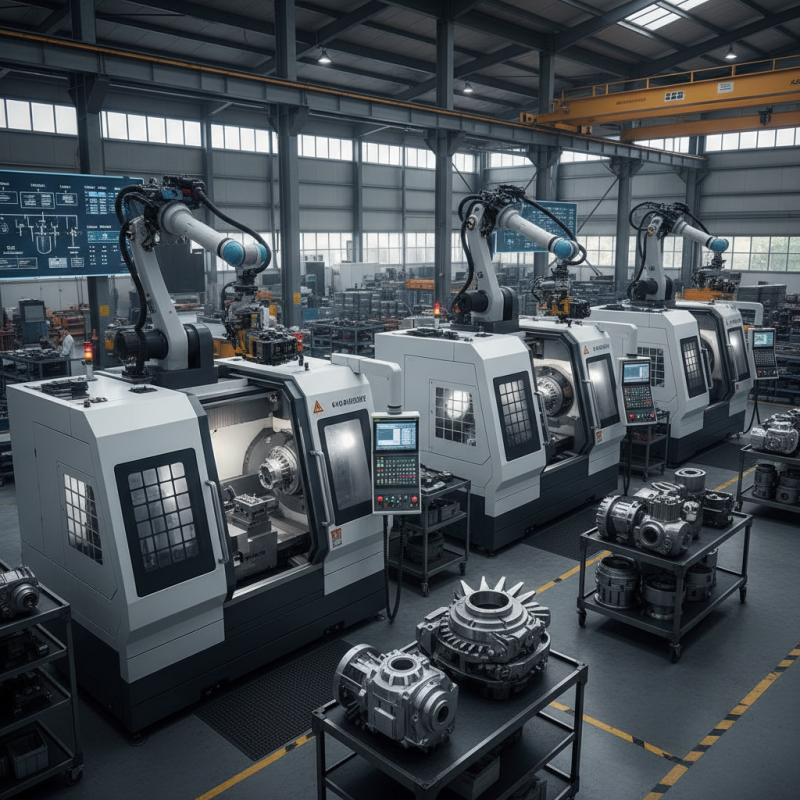
Overview of Automatic CNC Lathe Machines
Automatic CNC lathe machines play a crucial role in modern manufacturing. They enhance production efficiency and precision while reducing manual labor. These machines can perform complex tasks, including turning, drilling, and milling, with remarkable accuracy. The advanced technology in CNC lathes allows for programmable controls, enabling operators to produce intricate designs consistently.
Tips: When selecting an automatic CNC lathe, focus on the machine's control system. A user-friendly interface can significantly impact productivity. Understand the specifications and capabilities of different machines. Evaluate your project needs to ensure you choose the best fit.
Another vital factor is maintenance. Regular inspections can prevent breakdowns and extend the machine's lifespan. Consider the availability of spare parts and technical support from the manufacturer. It’s essential to invest time in learning how to operate and maintain these machines effectively.
Always be mindful of potential learning curves. New operators may struggle initially. Training programs can significantly benefit your team. Encourage feedback and continuous improvement in operating procedures. This approach promotes a culture of quality and efficiency within your manufacturing process.
Key Features to Consider When Choosing CNC Lathes
Choosing the right CNC lathe machine involves understanding key features. Precision is critical. Look for machines with high accuracy specifications. A deviation of even 0.01mm can affect the final product. Faster spindle speeds can enhance productivity. Machines should ideally offer various speed settings for different materials.
Another important aspect is tooling capability. If a lathe can support a wide range of tools, it allows for more versatile operations. It’s beneficial to examine the machine’s automatic tool change system. This feature saves time and reduces manual intervention. However, not all machines perform well in this regard. Relying solely on automation might lead to missed opportunities for operator input.
Lastly, consider the software compatibility. Modern CNC lathes often integrate with advanced CAD/CAM systems. Ensure the machine's software is user-friendly. Complexity can lead to errors in programming. Choose a system that balances automation and manual control. Often, too much reliance on automatic functions can require reflection on overall efficiency and effectiveness.
Top Brands of Automatic CNC Lathe Machines in the Market
The market for automatic CNC lathe machines has seen impressive growth. A recent industry report revealed that the global CNC lathe market is projected to reach $3.92 billion by 2027, with a CAGR of 5.4%. These machines are essential in optimizing precision machining processes across various industries. Their capabilities include intricate designs and increased productivity.
Top brands in the sector focus on enhancements that improve performance and efficiency. Many of them utilize advanced technologies to reduce downtime and increase durability. High-quality materials and precision engineering are crucial for longevity. However, customers often face challenges when selecting a CNC lathe that fits their specific needs. The complexity of options available can be overwhelming.
Tip: Before making a purchase, evaluate your specific machining requirements. Understand the materials you will be working with and the precision needed.
In the world of automatic CNC lathes, reliability is key. It's easy to get swayed by flashy features. A machine's operational history and maintenance needs often reflect its true worth. Regular maintenance can prevent issues and extend lifespan, but it requires commitment.
Tip: Research user reviews and case studies. They provide insights beyond specifications. You may uncover potential weaknesses or common user concerns that can inform your decision.
Comparative Analysis of CNC Lathe Models for Buyers
When exploring CNC lathe machines, buyers often face a multitude of options. Each model offers unique features that cater to different manufacturing needs. For instance, some machines excel in precision, while others are designed for heavy-duty tasks. A thorough comparison helps in making an informed decision.
Consider the speed and accuracy of different models. Some lathes may have advanced software that enhances user control. Others might lack these features, which could lead to inefficiencies. It's essential to analyze what each model can offer in terms of cycle time and production efficiency.
Tip: Always assess after-sales support. Some manufacturers provide excellent support, while others may leave you in the dark. Training and available resources are vital.
Additionally, think about your workspace. Larger machines need adequate space and proper setup. Not all workshops can accommodate every model. Always factor in the layout and accessibility of your facility.
Tip: Review the cost versus performance ratio. A high initial investment may lead to greater long-term savings. However, not every expensive model guarantees best performance.
Future Trends in CNC Lathe Technology and Automation
The realm of CNC lathe technology is evolving rapidly. Automation is at the forefront of this transformation. New trends focus on enhancing precision, speed, and adaptability. The integration of artificial intelligence in CNC lathe machines is becoming more prevalent. AI algorithms can optimize machining processes, reducing waste and improving output quality.
Tips: Consider investing in training. Operators must understand both technology and its limitations. Regular workshops can bridge knowledge gaps and enhance productivity.
Advancements in connectivity are also significant. IoT-enabled machines can provide real-time data on performance and maintenance needs. This connectivity allows for predictive maintenance, leading to longer machine life and fewer downtimes. However, the reliance on digital systems raises cybersecurity concerns. Ensuring data protection in these automated environments is crucial.
Tips: Stay updated on security trends. Regularly review system vulnerabilities to protect your investment. A proactive approach is necessary in an age where threats evolve rapidly.
FAQS
: Evaluate the machine’s precision, speed, and features. Different models serve various manufacturing needs.
It is vital. Excellent support can enhance your experience, while poor support can leave you without assistance.
Workspace is crucial. Larger machines need ample space for setup and operation. Plan your layout accordingly.
Sometimes yes, but not always. Cost versus performance should be reviewed carefully before making a decision.
Automation enhances precision and speed. It can also optimize processes but requires skilled operators to manage it.
Operators must understand both the technology and its limitations. Training promotes productivity and effective machine use.
IoT enables real-time performance data. This leads to predictive maintenance, reducing downtime and extending machine longevity.
Yes, reliance on digital systems raises cybersecurity concerns. Protecting your data in these environments is essential.
Stay informed on security trends. Regularly check for vulnerabilities and adapt as threats evolve.
Regular workshops and training sessions can fill knowledge gaps and keep skills sharp for efficient operation.
Conclusion
The article "Top Automatic CNC Lathe Machines for Global Buyers" provides a comprehensive overview of automatic CNC lathe machines, highlighting their significance in modern manufacturing processes. It examines key features that buyers should consider when selecting a CNC lathe, such as precision, speed, and automation capabilities. Additionally, the article conducts a comparative analysis of various CNC lathe models, offering insights into their performance and suitability for different industrial applications.
Looking ahead, the article discusses future trends in CNC lathe technology and automation, emphasizing advancements that are likely to enhance efficiency and productivity. As the demand for precision machining continues to grow, understanding these factors will help buyers make informed decisions when investing in automatic CNC lathes. Overall, this resource serves as a valuable guide for anyone looking to navigate the evolving landscape of CNC lathe technology.

 XINSHIHENG