Choosing the right Twin Spindle Lathe can significantly impact your production efficiency and machining capabilities. According to a report by the National Institute of Standards and Technology, machine tools account for approximately 58% of the manufacturing industry's productivity. The Twin Spindle Lathe stands out due to its ability to perform simultaneous operations, effectively doubling output without compromising precision. This feature is crucial for industries focused on high-volume production.
However, selecting a Twin Spindle Lathe requires careful consideration. Factors such as spindle speed, tooling options, and machine footprint play vital roles. A manufacturing survey revealed that 72% of firms reported improved performance after switching to multi-spindle machines. Yet, not all models fit every application. Some operators face challenges integrating new technology into their existing workflows.
Evaluating your specific needs ensures that you invest wisely. You may find that a more affordable model meets your requirements just as effectively. Stay informed about the latest technological advancements and gather insights from industry experts. This knowledge will guide you to a decision aligned with your production goals.
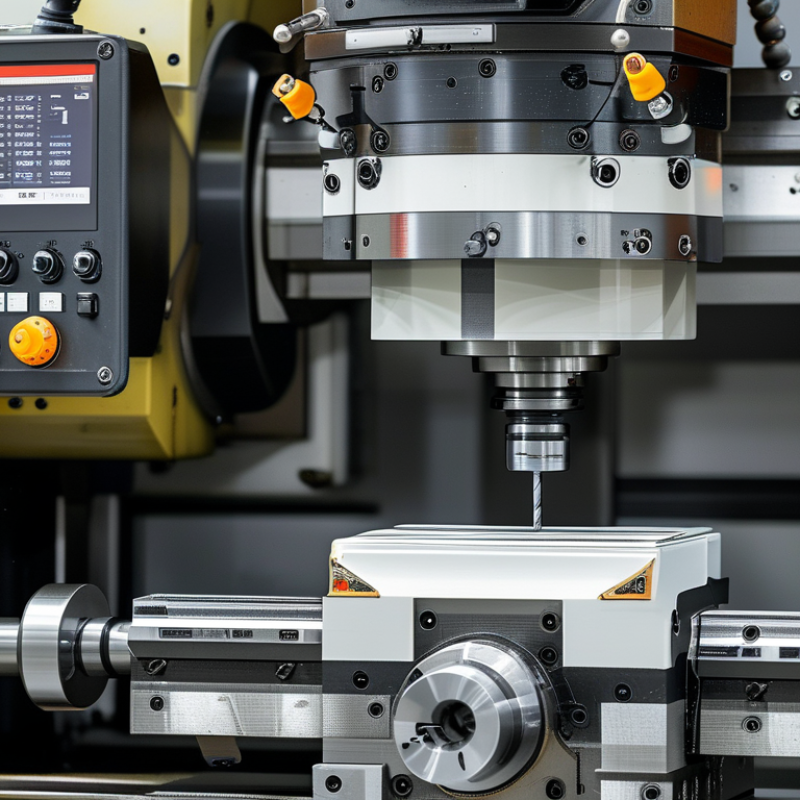
Understanding twin spindle lathes requires a closer look at their key features. These machines combine efficiency with precision. With two spindles, they allow for concurrent operations. This means you can produce more parts in less time. Efficiency is a major advantage in competitive industries.
One significant feature is the choice of spindle speed. High-speed options can enhance production rates. However, there may be trade-offs regarding the finish quality. Some users find that lower speeds yield better results for intricate designs. Another crucial aspect is the tool capacity. More tools can lead to reduced downtime. But having too many tools may complicate setups.
It's also essential to consider automation features. They can improve consistency and reduce manual labor. However, businesses must assess whether automation aligns with their production needs. Balancing advanced technology with human oversight often leads to better outcomes. Understanding these features is vital when selecting a twin spindle lathe that truly meets your needs.
When selecting a twin spindle lathe, several key factors must be considered. Understanding the specific needs of your manufacturing process is crucial. A dual spindle design allows for simultaneous operations, reducing cycle time significantly. According to industry studies, manufacturers can achieve a 30% increase in productivity with the right lathe configuration.
Another important aspect is precision and accuracy. Look for machines that offer tight tolerances and advanced features like CNC controls. Reports indicate that lathes with higher accuracy can minimize waste and rework, saving costs long-term. Additionally, consider the material compatibility of the lathe. Different spindles may handle various materials, from metals to plastics, affecting the final product quality.
Tips: Always assess the machine's ease of operation. User-friendly interfaces can reduce training time for operators. Also, remember to evaluate the after-sales support and spare parts availability. A reliable service network enhances the longevity of your investment. Keep in mind that even a top-grade lathe may require adjustments and recalibrations over time. Regular maintenance is essential to ensure optimal performance.
Choosing the right twin spindle lathe requires careful consideration of your production needs. Start by analyzing the types of materials you will work with. Different materials demand different cutting speeds and tool configurations. For instance, soft metals may require faster speeds, while harder materials need slower, more precise operations. This assessment will guide you in selecting the right specifications for your lathe.
Consider production volume as well. High-volume tasks may benefit from programmable options. Features like automatic tool changers enhance efficiency. If your work is less predictable, however, you might prioritize versatility over speed. Reflect on your typical production runs and explore how the lathe can adapt. Investing in a machine with diverse capabilities could be more beneficial.
Evaluate your workspace too. Space constraints might limit the size of the lathe you can purchase. Ensure that supporting equipment and workflow can accommodate larger models. Some lathes may offer compact designs without compromising performance. Be realistic about your operational goals. It’s essential to balance ambition with practicality, allowing room for future adjustments or expansions in your operations.
When selecting a twin spindle lathe, brand reputation plays a crucial role. A strong reputation signifies reliability and quality in machine tools. Companies with a long-standing history often provide better assurance of performance. Investigate user reviews and feedback online. Look for consistent positive experiences. This research will help you make an informed choice.
Customer support is equally important. High-quality support can significantly reduce downtime. A responsive support team can quickly resolve issues. Ensure the manufacturer offers comprehensive training resources. Regular maintenance guides are essential. They can prevent many common problems.
Tips: Always compare several brands before making a decision. Reach out to current users of the machines. Gather insights on how brands handle issues. Don't hesitate to ask questions about warranties and service options. Make sure you feel confident in your choice.
When considering the purchase of a twin spindle lathe, the balance between cost and quality is crucial. A comprehensive study indicated that companies often prioritize price over functionality, leading to long-term regret. For example, gaining initial savings of 10% may result in 30% more downtime and repairs over two years. This trade-off illustrates the importance of evaluating machinery reliability before making a budget-conscious decision.
Industry reports reveal that high-quality twin spindle lathes typically range from $50,000 to $150,000, depending on specifications. Yet, lower-cost lathes may seem appealing at first glance. However, they often compromise on durability and precision. A survey indicated that 40% of operators experienced decreased productivity after choosing cost-effective models. Investing a bit more upfront can prevent costly disruptions and enhance overall efficiency.
Quality in twin spindle lathes often translates to advanced features and higher precision. According to recent industry data, lathes with better build quality show a 20% increase in accuracy. Owners should inspect materials used and parts quality. While a lower price tag can be enticing, the repercussions of not prioritizing quality can become apparent over time, reflecting a need for thoughtful decision-making.
: Analyze the materials you'll work with. Different materials need different speeds and tool configurations.
High-volume tasks benefit from programmable features. Choose between speed and versatility based on your production types.
Evaluate your space limits. Ensure supporting equipment fits. Compact lathes can perform well in smaller areas.
A strong reputation indicates reliability. Research user reviews for consistent positive feedback. It informs a better choice.
Good support reduces downtime. Responsive teams resolve issues quickly. Training resources are vital for operation.
Balancing price and quality is key. Choosing cheaper options can lead to higher repair costs later.
Quality lathes cost between $50,000 and $150,000. Cheaper options often lack durability and precision.
Initial savings might lead to productivity loss later. 40% of operators faced issues after choosing low-cost models.
Inspect materials and parts quality. Reflect on potential long-term repercussions of your choice.
Yes, they may compromise on performance. Consider if short-term savings are worth long-term inefficiencies.
When choosing the best Twin Spindle Lathe for your manufacturing needs, it's essential to understand the unique features that these machines offer. A Twin Spindle Lathe can significantly enhance production efficiency by allowing simultaneous machining operations, which can reduce processing time and improve output. Key factors to consider include your specific production requirements, such as batch size and material types, as well as the lathe's overall performance capabilities.
Additionally, evaluating brand reputation and customer support is crucial, as reliable service can greatly affect machine longevity and productivity. It's also important to analyze the cost versus quality aspect, ensuring that you invest in a Twin Spindle Lathe that meets your operational needs without compromising on performance. By thoroughly considering these elements, you can make an informed decision that aligns with your manufacturing goals.

XINSHIHENG