In the rapidly evolving manufacturing landscape, a Cnc Milling Machine is a vital asset. Recent market research by Statista indicates that the global CNC machine market is projected to reach $100 billion by 2026. This growth is driven by the demand for precision and automation in various industries, including aerospace and automotive. Businesses increasingly rely on Cnc Milling Machines for their efficiency and accuracy.
As competition intensifies, understanding how to select the right Cnc Milling Machine becomes crucial. Factors such as machining speed, versatility, and types of materials processed are essential considerations. However, with numerous options available, buyers may feel overwhelmed. An informed decision is important to avoid costly mistakes and equipment that doesn’t meet expectations.
Many companies report challenges in integrating new technology effectively. It’s not just about purchasing; operational training is equally significant. Investing in a Cnc Milling Machine can seem daunting, but the right knowledge can simplify the process. Balancing cost, features, and future needs is key to successful procurement.
Understanding CNC Milling Machines: Types and Functions
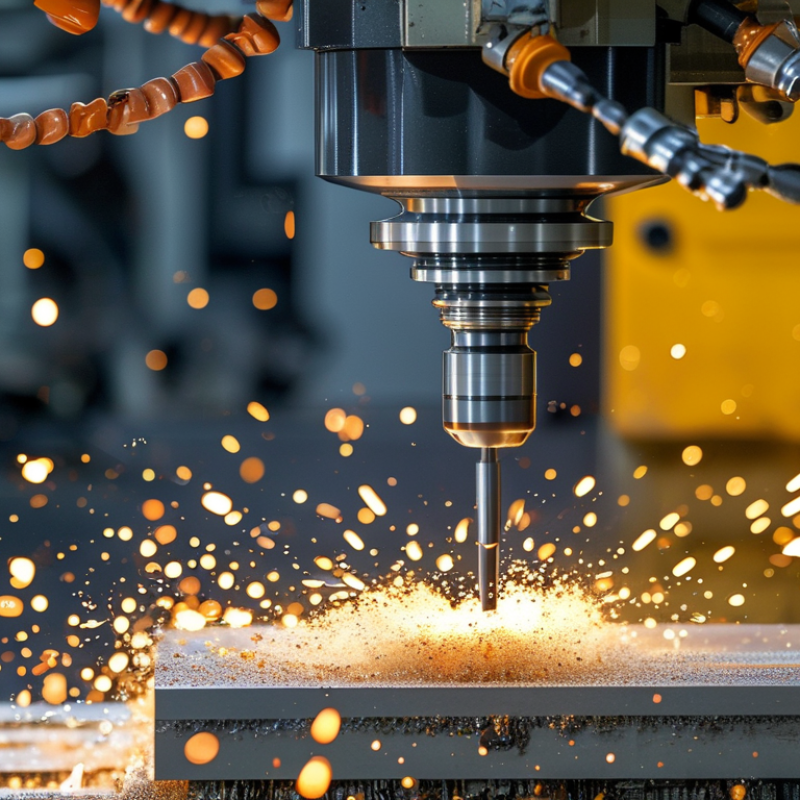
CNC milling machines are pivotal in modern manufacturing. These machines can perform precise cutting, drilling, and shaping of various materials. Understanding their types is essential for effective usage. There are vertical and horizontal milling machines, each serving unique functions. Vertical machines excel in precision work, making them ideal for smaller parts. Horizontal models, on the other hand, are suited for larger projects, providing better surface finishes.
While exploring these machines, it’s crucial to consider your specific needs. Not all machines are perfect for every task. A common mistake is overlooking compatibility with materials. Some machines may struggle with tougher metals, leading to lower efficiency. Users must evaluate the construction quality and the intended application. Investing in the right machine can yield better productivity and manufacturing outcomes.
In practice, many buyers report a steep learning curve. This learning phase can uncover potential inefficiencies and areas for improvement. A machine may promise high quality but may require adjustments for optimal results. Regular maintenance is vital, as neglect can lead to costly repairs. Engaging with experienced users or technicians can provide valuable insights and enhance decision-making.
Top CNC Milling Machine Types and Their Functions
Key Specifications to Consider When Buying CNC Milling Machines
When considering the purchase of a CNC milling machine, several specifications are crucial.
The machine’s axis configuration is a primary factor. Most CNC machines have three axes, but options with four or five axes increase capabilities for complex parts.
Data from industry reports show that about 35% of buyers focus on multiaxis machines for advanced applications.
Another important specification is the spindle speed. Typical ranges between 10,000 to 20,000 RPM can influence the machining quality. Higher speeds allow for quicker production of intricate designs, significantly impacting efficiency. Evaluating materials the machine can handle is also essential. Aluminum, steel, and titanium all have different requirements and tolerances.
Consider your shop’s power requirements. Many machines are energy-intensive, which can increase operational costs. Look for machines with energy-efficient motors. Reflect on the potential need for future upgrades. The scope of your business may change, so flexibility is key.
Operational complexity can be both a strength and a drawback. Some machines offer advanced features that simplify programming but may have a steep learning curve. Ensure your team is prepared for the transition. Newer technologies can create challenges, and proper training is vital for maximizing performance.
Industry Trends: The Global Market Demand for CNC Milling Solutions
The global demand for CNC milling solutions is witnessing an unprecedented surge. According to a recent market analysis, the CNC milling machine market is poised to grow by over 10% annually, driven by advancements in manufacturing technologies. Industries such as aerospace, automotive, and electronics heavily rely on precision machining. The need for precision parts is pushing manufacturers to adopt CNC milling to enhance productivity and efficiency.
Market trends indicate an increasing shift towards automation and smart manufacturing. These developments are likely to improve overall operational efficiencies. However, many companies still grapple with the high costs associated with upgrading or replacing older machines. This highlights a crucial gap where careful planning and investment in CNC milling solutions can yield substantial returns.
For those considering the purchase of CNC milling machines, factors such as cutting speed, material compatibility, and machine size are essential. Many buyers overlook the importance of proper maintenance. Regular checks can significantly reduce downtime and improve machine lifespan. Exploring financing options might help in managing initial costs while easing the transition into advanced technologies.
Top CNC Milling Machine Buying Guide for Global Buyers
| Dimension |
Value |
| Market Size (USD Billion) |
5.5 |
| Expected CAGR (%) |
6.8 |
| Key Application Areas |
Aerospace, Automotive, Electronics |
| Top Regions by Demand |
North America, Europe, Asia-Pacific |
| Popular CNC Features |
High Precision, Automation, Multi-axis |
| Sustainability Focus |
Energy-efficient designs, Reduced waste |
Cost Analysis: Budgeting for Your CNC Milling Machine Investment
When considering an investment in a CNC milling machine, understanding the cost is crucial. Budgeting starts with the machine's price, which varies widely based on size and capability. Basic models may start around several thousand dollars, while advanced machines can reach into the hundreds of thousands. You should also factor in additional expenses, like software, tools, and fixtures. These costs can quickly add up, so having a clear budget helps to avoid surprises.
Maintenance and operational costs often get overlooked. Regular service ensures the machine runs smoothly. This can include routine parts replacement and software updates. Many buyers forget to account for training costs. Skilled operators are necessary to maximize efficiency and minimize errors. Investing in training enhances production quality and reduces long-term expenses.
It's important to reflect on your needs versus capabilities. Sometimes, a less expensive machine meets your requirements perfectly, saving you more money in the long run. Consider potential growth and changes in production. An over-investment today might not suit your needs in a few years. Balancing immediate budgets with future plans is essential for a successful purchasing decision.
Top Brands in CNC Milling: A Comparative Overview of Leading Manufacturers
When exploring the CNC milling machine market, it's crucial to understand the leading brands and their features. The CNC machining industry has seen significant growth, with a market projected to reach USD 100 billion by 2025, showing an average annual growth rate of 6.2%. This growth indicates a rising demand for precision and efficiency.
Several manufacturers dominate the scene, each offering unique advantages. For instance, one brand provides machines known for their reliability and user-friendly interfaces, crucial for minimizing downtime. Data suggests that machines with advanced automation features can increase production efficiency by up to 30%. Another brand focuses on heavy-duty milling, designed to withstand rigorous conditions, which is essential for industries like aerospace and automotive.
While these brands excel, some users report concerns about after-sales support. Accessible customer service can be a make-or-break factor for businesses relying heavily on CNC machines. It's vital to investigate user reviews and industry reports when assessing brands. Their experiences can provide insight into the reliability and longevity of the machines, helping buyers make informed decisions.
FAQS
: CNC milling machines are used for precise cutting, drilling, and shaping of various materials.
The main types are vertical and horizontal milling machines, serving different project needs.
Some machines may struggle with tougher metals, leading to inefficiencies and poor outcomes.
Engaging with experienced users or technicians can provide valuable insights for better choices.
Key specifications include axis configuration, spindle speed, and material compatibility.
Higher spindle speeds, between 10,000 to 20,000 RPM, can improve efficiency and intricacy in production.
While advanced features can simplify programming, they may also increase the learning curve.
The market is growing over 10% annually, driven by precision machining demands in various industries.
Regular checks and maintenance can reduce downtime and extend machine lifespan significantly.
Consider flexibility for potential upgrades as business requirements may change over time.
Conclusion
The article "Top CNC Milling Machine Buying Guide for Global Buyers" provides a comprehensive overview for prospective buyers looking to invest in CNC milling machines. It begins by exploring the different types and functions of CNC milling machines, emphasizing their versatility in various manufacturing processes. Key specifications such as precision, speed, and material compatibility are highlighted as critical factors to consider during the purchasing decision.
Additionally, the article discusses current industry trends, signaling a growing global demand for CNC milling solutions, which reflects advancements in technology and automation. A detailed cost analysis helps buyers understand budgeting considerations, ensuring they make informed investment choices. Finally, it presents a comparative overview of leading manufacturers in the CNC milling machine market, guiding buyers in selecting the most suitable machine for their needs without mentioning specific brands. This guide serves as a valuable resource for navigating the complexities of acquiring CNC milling technology.

 XINSHIHENG