Choosing the best Flat Bed Lathe Machine begins with the work it must perform daily. A workshop turning steel shafts needs different capacity than a school laboratory making small brass parts. Measure the largest diameter, maximum length, spindle bore, and available floor space before comparing prices. A machine that looks powerful online may overwhelm a limited electrical supply. It may also require lifting equipment, trained operators, and costly tooling.
Experienced machinists examine rigidity, bed width, gearbox design, chuck quality, and feed accuracy. They check how smoothly the carriage travels under load. Ask for test-cut results, inspection reports, and realistic dimensional tolerances. Reliable manufacturers explain maintenance intervals, spare-part availability, warranty terms, and operator training. Independent reviews and local service records add useful evidence, but they are not always complete. Speak with users who cut similar materials, not only sales representatives. Safety guards, emergency stops, braking performance, and clear controls deserve equal attention. These details protect people and reduce avoidable downtime.
There is no universal winner. A heavier lathe may deliver better stability, yet installation costs can change the decision. A cheaper model may appear attractive, but weak support can become expensive later. My recommendation is to score each machine against your actual jobs, skills, budget, and growth plans. Recheck every specification with the supplier. Small omissions matter. This guide compares the practical factors behind a confident purchase, while recognizing that even careful selection involves compromise.
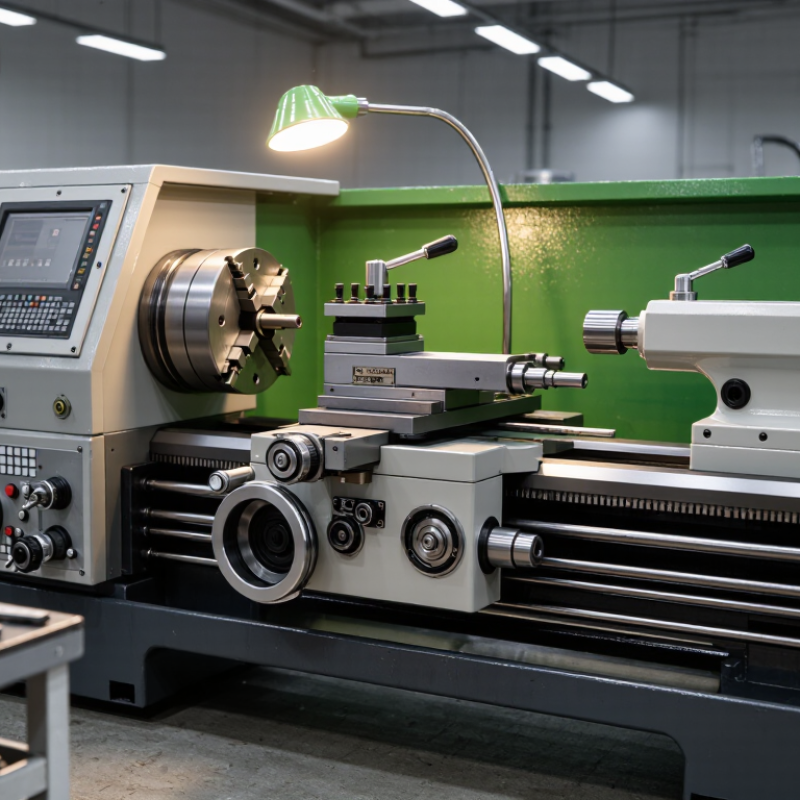
A flat bed lathe supports workpieces on a rigid, level guideway. Its design suits turning, facing, drilling, threading, and boring tasks. Conventional flat bed lathes offer direct control and work well in repair shops, training rooms, and small production runs. CNC flat bed lathes provide repeatable cutting for shafts, sleeves, and threaded components. Heavy-duty versions handle larger diameters, longer parts, and demanding materials. The right type depends on workpiece size, production volume, tolerance, and operator skill.
Application details matter more than impressive specifications. Measure the maximum swing and distance between centers before comparing machines. A long shaft may need extra bed length, while a thick steel ring demands greater spindle power. Check spindle speed ranges, chuck capacity, motor output, and tailstock movement. A wider bed can improve stability, but it may also increase floor space and installation costs. Coolant access and chip removal deserve attention too. These small details are often ignored.
Tips: List your three most common jobs. Record material, diameter, length, and tolerance. Ask for a cutting test using a similar workpiece. Listen for vibration during heavy cuts. It reveals more than a brochure. Leave room for maintenance access around the machine. I would not choose maximum capacity automatically; unused capacity can become unnecessary cost. A careful choice should balance present work with realistic future needs.
How to Choose the Best Flat Bed Lathe Machine?
Evaluating Size, Capacity, and Workpiece Compatibility
Choosing a flat bed lathe begins with the workpiece, not the machine’s appearance. Measure the largest diameter, overall length, and required machining allowance. Swing over the bed must exceed the workpiece radius with safe clearance. A crowded setup creates poor visibility and increases handling risks.
Check the distance between centers carefully. It should support the longest part, including chuck, centers, and tooling. Spindle bore also matters when bar stock passes through the headstock. A narrow bore may force extra cutting operations. That wastes time.
Capacity affects stability. Heavy castings usually absorb vibration better during rough turning. However, a larger machine may demand more floor space, power, and lifting equipment. Confirm the machine’s rated load, bed width, and tailstock travel against your real production needs. Bigger is not always better.
Workpiece material changes the decision. Steel, stainless steel, aluminum, and hardened alloys require different speeds, tooling, and rigidity. I once underestimated the length of a shaft after adding a faceplate and tool holder. The setup became awkward, although the nominal dimensions seemed acceptable. Recheck the complete setup.
Measure twice.
Leave room for chip removal and operator movement. Review accuracy records, maintenance procedures, and test-cut results before purchase. A reliable evaluation includes actual sample parts, not only a specification sheet. When possible, machine a representative workpiece and inspect its surface finish, taper, and dimensional consistency.
| Lathe Class | Typical Swing Over Bed | Typical Distance Between Centers | Typical Spindle Bore | Typical Spindle Speed | Recommended Workpiece Diameter | Suitable Workpieces | Typical Motor Power | Best Use |
|---|---|---|---|---|---|---|---|---|
| Compact Workshop | 250–350 mm 9.8–13.8 in |
500–750 mm 19.7–29.5 in |
38–52 mm 1.5–2.0 in |
50–2,000 rpm | Up to 180 mm 7.1 in |
Bushings, shafts, spacers, small threaded parts | 1.5–3.0 kW 2–4 hp |
Maintenance shops, prototypes, education, light fabrication |
| General-Purpose Medium | 400–600 mm 15.7–23.6 in |
750–1,500 mm 29.5–59.1 in |
52–80 mm 2.0–3.1 in |
25–1,800 rpm | Up to 350 mm 13.8 in |
General shafts, flanges, couplings, rollers, threaded components | 5.5–11 kW 7.5–15 hp |
Repair work, job shops, low-to-medium production |
| Heavy-Duty Production | 600–900 mm 23.6–35.4 in |
1,500–3,000 mm 59.1–118.1 in |
80–105 mm 3.1–4.1 in |
15–1,200 rpm | Up to 550 mm 21.7 in |
Large shafts, pipe fittings, pulleys, heavy flanges, industrial rollers | 15–30 kW 20–40 hp |
Continuous production and demanding roughing operations |
| Extra-Long Bed | 500–800 mm 19.7–31.5 in |
3,000–6,000 mm 118.1–236.2 in |
80–130 mm 3.1–5.1 in |
10–800 rpm | Up to 450 mm 17.7 in |
Long drive shafts, hydraulic cylinders, machine-bed components, long tubes | 15–37 kW 20–50 hp |
Long workpieces requiring steady-rest support |
| Large-Bore Pipe and Flange | 800–1,600 mm 31.5–63.0 in |
1,500–4,000 mm 59.1–157.5 in |
105–200 mm 4.1–7.9 in |
5–500 rpm | Up to 1,000 mm 39.4 in |
Large pipe, pressure vessels, oversized flanges, heavy rings | 30–75 kW 40–100 hp |
Oil, energy, heavy engineering, and large-diameter turning |
| Evaluation Dimension | What to Measure | Practical Selection Rule |
|---|---|---|
| Maximum Diameter | Swing over bed and swing over cross slide | Choose a machine whose cross-slide clearance exceeds the largest finished diameter by at least 10–20%. |
| Workpiece Length | Distance between centers, including chuck and tailstock setup | Select at least 15–25% more center distance than the actual part length to allow for tooling and support. |
| Bar Capacity | Spindle bore and actual through-hole diameter | The spindle bore should be larger than the raw bar diameter; allow clearance for scale, tolerance, and feeding. |
| Workpiece Weight | Chuck capacity, spindle load rating, bed rigidity, and permitted load between centers | Use a heavier bed and larger spindle for interrupted cuts, large diameters, or workpieces with high overhang. |
| Material and Cutting Load | Material hardness, depth of cut, feed rate, and required torque | For steel, stainless steel, and cast iron, prioritize spindle torque, gearbox range, rigidity, and motor reserve over maximum rpm. |
| Threading Requirements | Required metric, inch, module, or diametral-pitch thread ranges | Confirm the gearbox or electronic threading system supports every thread standard required by the workshop. |
| Support and Accuracy | Tailstock travel, steady-rest range, follow-rest range, and lead-screw condition | Long or slender parts normally require a steady rest or follow rest to control deflection and vibration. |
| Workshop Space | Overall machine footprint, service clearance, door access, floor loading, and power supply | Allow room for chip removal, workpiece loading, maintenance, and safe movement around the machine. |
Choosing the best flat bed lathe starts with spindle power, not catalog size. Spindle power controls torque during roughing cuts and heavy steel work. A 15 kW spindle may suit medium shafts, but hardness, cutting depth, and feed rate also matter. Check continuous power ratings, not only peak output. More power is not automatically better.
Speed range should match the workpiece diameter and material. Low speed supports large, heavy parts. High speed improves output on smaller diameters. The 2024 World Machine Tool Survey reported continued demand for digitally controlled equipment, but market growth does not justify extreme rpm for every workshop. Ask for torque curves across the full range. A wide range with weak low-speed torque can disappoint. It happens.
Precision needs evidence, not polished brochures. Request spindle runout, thermal drift, positioning accuracy, and repeatability data. ISO 230-2 provides a recognized method for evaluating positioning performance. A NIST manufacturing report also identifies thermal variation as a major source of machine-tool error. Test a steel bar after warm-up. Measure diameter at several points, then repeat the cut. Micrometers reveal more. I would inspect bearing noise and vibration too, because a quiet idle test can hide cutting instability. Leave reasonable precision margin, but avoid paying for accuracy your process cannot use.
Choosing the best flat bed lathe begins with construction quality. Inspect the bed for a straight, evenly ground surface and consistent support points. A rigid cast iron bed reduces vibration during heavy turning. Check the headstock housing for clean machining, secure bearings, and smooth spindle rotation. Excessive noise can reveal poor alignment or early wear. A polished exterior can mislead. Look deeper.
Controls should feel clear, deliberate, and easy to reach. Test the speed selector, feed controls, threading controls, and carriage handwheels before purchase. Each movement should feel positive, without looseness or sudden resistance. Digital readouts can improve accuracy, but only when properly calibrated. Ask for calibration records and maintenance instructions. In practical inspections, missing documentation often creates avoidable problems later. I have learned that convenience must never replace operator training.
Tips: Test the emergency stop from the normal working position. Check that guards cover rotating parts and remain securely mounted. Confirm that the brake stops the spindle without harsh movement. Look for overload protection, clear warning labels, and reliable electrical isolation. Safety switches should prevent operation when protective covers are open. Take your time. A small control issue may become a serious production risk. Consult qualified technicians when inspection results remain uncertain.
Choosing the best flat bed lathe requires more than comparing spindle speed and swing capacity. In daily shop use, maintenance access often decides productivity. Check whether operators can reach lubrication points, belts, chucks, and electrical panels without removing major covers.
The U.S. Department of Energy’s Operations and Maintenance Best Practices Guide reports that predictive maintenance can reduce downtime by 35–45%. It can also save 8–12% compared with preventive maintenance. These figures cover industrial equipment broadly, not lathes alone. That distinction matters.
Support quality shapes the machine’s real value. Ask about spare-part availability, technician response times, service training, and diagnostic documentation. ISO 55001 asset-management guidance supports planned maintenance, measurable risks, and lifecycle cost control. A low purchase price may hide costly delays when a bearing or drive fails. Request a sample maintenance schedule and calculate labor hours over five years. I would not trust vague promises. A clean brochure cannot replace a reachable service team.
Tips: Inspect a demonstration machine after warm-up. Listen for uneven spindle noise. Check oil leaks around the headstock. Test backlash with a dial indicator. Ask for maintenance records from comparable installations. Keep a small budget for unexpected repairs. No machine is perfect. Even experienced buyers can underestimate operator training, cleaning time, or local technical support.
Measure the workpiece diameter, total length, and machining allowance. Swing over the bed needs safe clearance. Distance between centers must include tooling and fixtures. A crowded setup reduces visibility. Measure twice.
Spindle bore determines whether bar stock can pass through the headstock. A narrow bore may require extra cutting operations. That wastes time. Check the largest bar diameter used in production.
Not necessarily. Larger machines may provide more stability for heavy roughing cuts. They also require more floor space, power, and lifting equipment. Confirm rated load, bed width, and tailstock travel. Bigger is not always better.
Steel, stainless steel, aluminum, and hardened alloys need different speeds and tooling. Hard materials demand stronger rigidity and suitable torque. Review your actual materials, not only the machine catalog.
Spindle power affects torque during roughing and heavy cutting. Check continuous power, not only peak output. Low speeds suit large parts. High speeds suit smaller diameters. Ask for torque data across the full range.
Request spindle runout, thermal drift, positioning accuracy, and repeatability data. Test a steel bar after warm-up. Measure its diameter at several points. Repeat the cut. Micrometers reveal more. A quiet idle test can hide cutting instability.
Check access to lubrication points, belts, chucks, and electrical panels. Operators should not remove major covers for routine work. Inspect oil leaks around the headstock. Test backlash with a dial indicator. Small details matter.
Ask about spare parts, technician response times, training, and diagnostic documents. Request maintenance records from similar installations. Estimate labor hours and repair costs over five years. A low purchase price may hide expensive delays.
Machine a representative workpiece after warm-up. Inspect surface finish, taper, and dimensional consistency. Listen for uneven spindle noise during cutting. Leave room for chip removal and operator movement. I once underestimated fixture length. The setup became awkward.
Choosing the best Flat Bed Lathe Machine begins with understanding the types of turning work it will handle, from general repair and maintenance to repeated production tasks. Consider the machine’s swing, center distance, bed length, and maximum workpiece weight to ensure compatibility with your materials and projects. Spindle power, speed range, and control precision should also match the required cutting operations, surface finishes, and material hardness.
Construction quality is equally important. A rigid bed, reliable drive system, accurate guides, and user-friendly controls can improve stability and long-term performance. Safety features such as emergency stops, protective guarding, and secure chuck operation should be carefully checked before purchase. Finally, evaluate routine maintenance requirements, spare-part availability, technical support, warranty coverage, energy use, and total operating cost. The best choice is not necessarily the most powerful machine, but the one that provides suitable capacity, dependable accuracy, safe operation, and lasting value for your specific workload.

XINSHIHENG