Choosing the right Automatic CNC Lathe can significantly impact your manufacturing efficiency. Industry expert John Smith claims, "A well-chosen CNC lathe can streamline operations and enhance precision." This insight highlights the importance of making an informed decision.
As you explore your options, consider the specific needs of your projects. Not all Automatic CNC Lathes are created equal. Different models offer various features and capabilities. Evaluating these details is crucial.
While many users may rush in, take the time to reflect on your requirements. A hasty choice can lead to inefficiencies. Proper research ensures you invest wisely in the right Automatic CNC Lathe for optimal results.
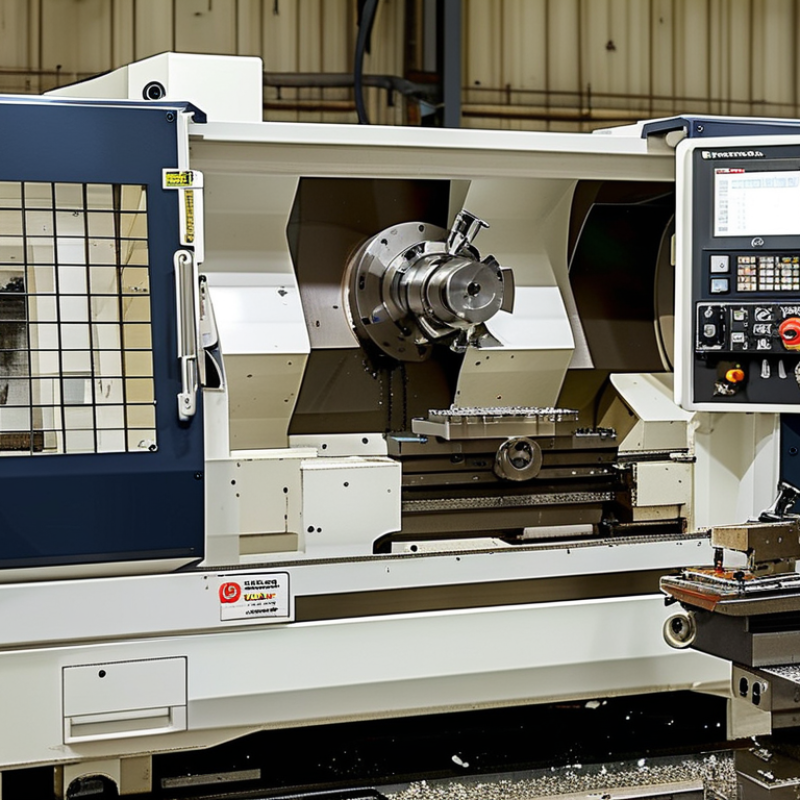
CNC lathes are integral to modern manufacturing. They automate turning processes, increasing efficiency and precision. According to a report by Grand View Research, the global CNC lathe market is projected to grow at a CAGR of 6.2% from 2021 to 2028. This surge highlights their critical role across industries, including automotive and aerospace.
Understanding the basic functions of CNC lathes is essential. These machines turn raw materials into precise shapes using rotary motion. They can handle various materials, such as metal and plastic. Applications vary from producing intricate components to large-scale part manufacturing. However, choosing the right CNC lathe requires careful consideration of your specific needs. Factors like size, speed, and tooling compatibility can greatly influence productivity.
Many operators overlook maintenance issues, impacting the machine's lifespan. Regular checks on software updates and mechanical wear can prevent costly downtimes. Balancing automation with manual oversight often leads to better outcomes. Ensuring operator training can enhance machine use, highlighting an area that reflects the need for continuous improvement in operational practices.
When selecting an automatic CNC lathe, understanding your production needs is crucial. The first aspect to evaluate is volume. Industry reports indicate that 60% of manufacturers focus on batch production. This means a lathe must handle varied sizes efficiently. Consider the lathe’s spindle speed and torque specifications. These are vital for optimizing machining cycles and improving output.
Material requirements are another critical factor. The type of materials you will work with influences lathe choices. For instance, steel versus aluminum demands different cutting tools. Data suggests that 70% of CNC lathe users work with multiple materials. This versatility is essential for adapting to changing production demands.
Tooling capacity should not be overlooked. A lathe with a higher tool station count allows for reduced downtime. However, newer operators may struggle to manage complex setups. It’s important to balance these needs against budget constraints. Understanding these aspects will lead to a smarter investment in CNC technology.
| Feature | Entry-Level Model | Mid-Range Model | High-End Model |
|---|---|---|---|
| Spindle Speed (RPM) | 3000 | 6000 | 12000 |
| Max Turning Diameter (mm) | 250 | 400 | 600 |
| Max Turning Length (mm) | 500 | 800 | 1200 |
| Tool Holder Type | Standard | Hydraulic | Automatic |
| Controller Type | Basic CNC | Advanced CNC | Smart CNC |
| Price Range ($) | 5,000 - 10,000 | 15,000 - 25,000 | 30,000 - 50,000 |
When selecting an automatic CNC lathe, consider the key features that cater to your specific requirements. One important factor is the spindle speed. A higher spindle speed allows for quicker production cycles and improved surface finishes. However, balancing speed with torque is crucial. Too much speed can lead to tool wear and decreased machining quality. Aim for a model that provides flexibility for various materials and project needs.
Another significant feature to evaluate is the control system. User-friendly interfaces can significantly enhance operational efficiency. Look for machines with intuitive programming options. Advanced CNC controls enable greater precision and automation. This results in better repeatability and reliability in production. Ensure the CNC lathe is capable of integrating with existing software and systems in your workshop.
Additionally, consider the build quality and rigidity of the machine. A sturdy construction reduces vibrations during operation, resulting in more accurate cuts. Lightweight machines can be tempting for ease of transport, but they often compromise performance. Keep in mind that cheaper models might save initial costs but could lead to increased expenses over time due to maintenance and part replacements. Identifying the right balance between cost and quality is essential for long-term satisfaction.
Investing in an automatic CNC lathe is a significant decision. Understanding the costs involved can help you make an informed choice. The initial investment often requires substantial financial resources. However, it’s crucial to assess the long-term savings potential as well. Lower operational costs, reduced labor expenses, and enhanced efficiency can lead to a favorable balance over time.
When choosing a lathe, consider features like energy consumption and maintenance needs. A machine that has higher upfront costs may save you more in the long run if it operates more efficiently. Think about your production volume and the types of materials you typically work with. The right fit can minimize waste, directly affecting your bottom line.
Some operators find it challenging to quantify these potential savings. It’s important to track your expenses closely. Reflect on the operational performance over months or years. Certain machines may not perform as expected, leading you to rethink your choices. Understanding your unique business needs is essential for maximizing the investment. Aim for a balance between initial costs and potential future gains, but remain cautious about overspending.
When selecting an automatic CNC lathe, consider the manufacturer's reputation and support options carefully. A reliable manufacturer will provide a solid warranty and efficient customer service. This can save time and money over the long run. Look for manufacturers with positive reviews from other customers. Research can lead you to trustworthy brands.
Evaluate the after-sales support offered. Effective support includes timely technical assistance and access to replacement parts. A manufacturer that provides training resources can also be invaluable. Understanding how to operate and maintain your lathe helps prevent downtime.
Sometimes, even reputable manufacturers may have gaps in support. Issues can arise from communication delays or inadequate training materials. Be aware of these potential pitfalls. Taking the time to ask questions before purchasing can help ensure a better experience in the long term.
This bar chart compares key features of various CNC lathe models, focusing on spindle speed and maximum turning diameter. When choosing an automatic CNC lathe, consider these metrics to find the best fit for your production needs.
: CNC lathes automate turning processes. They create precise shapes from raw materials like metal and plastic.
Consider factors like size, speed, and tooling compatibility. Your specific needs will influence the right choice.
Neglecting maintenance can shorten a lathe's lifespan. Regular checks prevent costly downtimes and ensure efficiency.
Evaluate their reputation, warranty, and customer support. Positive reviews indicate reliability and quality service.
Operator training enhances machine efficiency. It’s essential for preventing mistakes and ensuring operational effectiveness.
Communication delays and inadequate training materials can occur. Be cautious and ask questions before purchasing.
Increased efficiency leads to faster production and higher precision. Proper machine choice and operation can significantly boost output.
Yes, they work with various materials. Metal and plastic are common, allowing flexibility in production processes.
Effective after-sales support includes timely assistance and access to parts. It keeps the lathe running smoothly and reduces interruptions.
Regular maintenance and operator training are key. Evaluate processes often and make adjustments for better outcomes.
When choosing the best Automatic CNC Lathe for your needs, it's essential to understand the fundamentals of CNC technology and its various applications. Start by evaluating your production requirements, including the types of materials you'll work with and the specific tasks your lathe must perform. This assessment will guide you in selecting a machine that meets both your operational demands and material specifications.
Key features to consider include the lathe's speed, precision, and the range of programmable operations. Additionally, while comparing costs, weigh the initial investment against potential long-term savings in efficiency and maintenance. Finally, selecting a reliable manufacturer with strong support options is crucial to ensure your Automatic CNC Lathe operates effectively over time, contributing to smoother workflows and higher productivity levels.

XINSHIHENG