Choosing the right Heavy Duty CNC Lathe can significantly impact your manufacturing efficiency. It’s a critical investment for businesses needing precision and durability. High-quality CNC lathes are essential for complex projects. Yet, the selection process can be overwhelming.
Understand your specific needs before diving into the options. Consider your production volume and material types. Each project can present unique challenges, making it vital to find a machine that suits your requirements. Additionally, evaluating the lathe's specifications is crucial. Look for features that align with your operational goals.
Don't forget to assess builder reputations and customer reviews. A trustworthy Heavy Duty CNC Lathe from a reputable brand often guarantees reliability. However, be aware: not all models are perfect for every workshop. Reflect on your priorities to ensure the best long-term fit for your operations.
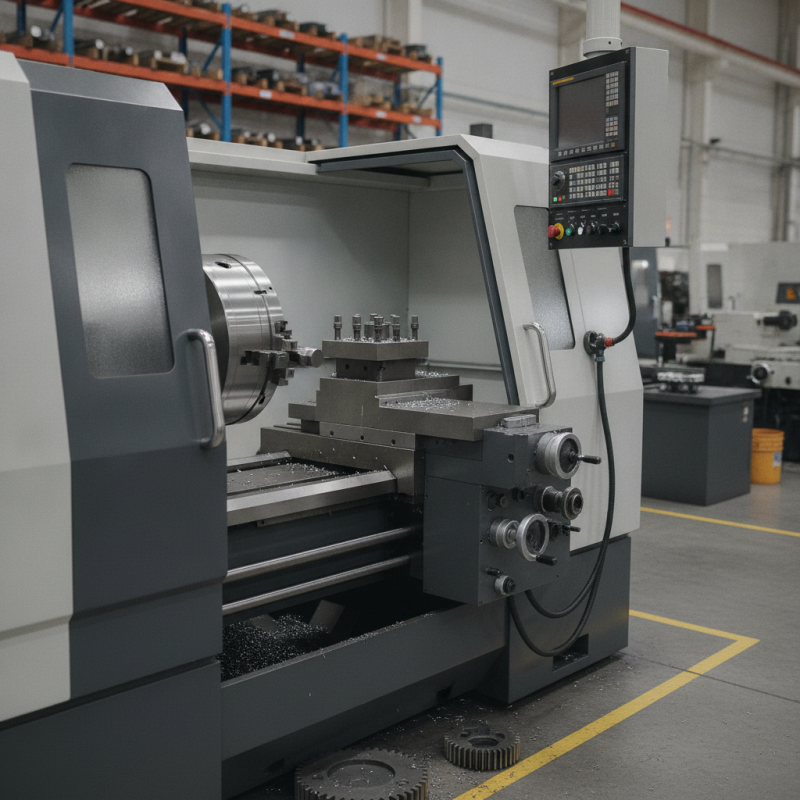
When selecting a heavy-duty CNC lathe, understanding your material requirements is crucial. Different materials require different machining approaches. For example, machining steel demands powerful machines with sufficient torque to handle increased resistance. According to a recent industry report, 50% of production issues arise from inappropriate tool choices linked to material properties.
Knowing the hardness and tensile strength of your materials directly impacts your lathe selection. Stainless steel requires robust machines, while softer metals like aluminum might allow for lighter, less expensive lathes. Each choice must align with your operational needs and production goals.
Tips: Investigate your material specifications thoroughly before purchasing. A simple hardness test can provide clarity. Additionally, consult with machining professionals to identify the best cutting speeds and feed rates for your materials. This will help avoid costly trial-and-error during production. Remember, material behavior under machining stresses can be unpredictable, so flexibility is vital in your equipment selection.
When choosing a heavy-duty CNC lathe, determining the right size and specifications is crucial. Different projects demand varying levels of precision and capabilities. It’s essential to assess the materials you will be working with as well. For example, softer metals may require less robust machinery compared to harder materials like titanium or stainless steel.
Consider the diameter and length of the parts you typically produce. A larger swing diameter may be necessary for oversized components. It’s also important to evaluate the horsepower and torque needed for your projects. Insufficient power can lead to longer cycle times and increased wear on the machine. Don’t overlook the tool holder capacity either; it significantly impacts your efficiency and versatility in production.
Reflecting on past experiences can guide your decisions. Have you faced limitations with smaller machines? It might be time to upscale. However, larger lathes come with increased costs and space requirements. Balancing your budget and workspace with your project needs is critical. Explore all options, but remember that the most expensive machine isn't always the best fit for every task.
When selecting a heavy-duty CNC lathe, evaluating key features is crucial. Consider the machine's rigidity and weight. Heavier lathes typically offer better stability. According to industry reports, machines weighing over 5,000 pounds often provide higher precision. This weight helps dampen vibrations during machining, improving tolerances.
The spindle speed is another essential feature. Lathes with higher spindle speeds can handle a broader range of materials. Data indicates that lathes capable of speeds over 2,000 RPM can dramatically enhance productivity. However, operators must assess whether their tooling can handle such speeds. Insufficient tooling can lead to poor results or even damage.
Finally, the software compatibility of a CNC lathe is vital. Newer machines often come with advanced software that simplifies programming. However, not all machines retain good compatibility with legacy systems. Research shows that about 30% of CNC users face software integration issues. It’s worth reflecting on your existing infrastructure. Understanding your operational needs is essential before making a purchase decision.
| Feature | Description | Importance |
|---|---|---|
| Spindle Speed | Determines how fast the lathe can rotate the material. | High |
| Feed Rate | Speed at which the cutting tool moves through material. | High |
| Maximum Turning Diameter | Largest diameter of material the lathe can accommodate. | Medium |
| Bed Length | Length of the lathe bed affects the length of workpieces. | High |
| Control System | Type of control system (CNC vs. manual). | High |
| Motor Power | Power of the motor impacts cutting capability. | High |
| Tool Capacity | Number of tools that can be mounted and used. | Medium |
When selecting a heavy-duty CNC lathe, budget considerations are crucial.
Determine your financial limits early in the process. This decision will guide your options. Remember, a
lower price may lead to compromises on quality. You need to balance cost
with performance features.
Return on investment is also key. Analyze how quickly you can recoup your initial investment. Consider
potential productivity gains. Will the machine enhance efficiency? Look at long-term operational costs too.
Maintenance and energy consumption must align with your financial goals.
In this process, reflect on your actual needs. What specific tasks will the lathe perform? Think about how
frequently you will use it. Some machines offer great specs but may not suit your workflow. Take time to evaluate
all details carefully. Ignoring these factors could lead to regret later on.
Balance your budget against effective solutions.
When selecting a heavy-duty CNC lathe, understanding manufacturer backgrounds and customer feedback is critical. A comprehensive survey found that 68% of buyers prioritize manufacturer reliability and reputation. This data illustrates the importance of choosing reputable brands. Customer reviews can reveal insights into performance, durability, and customer support. Notably, checking for a consistent pattern in reviews helps differentiate genuine feedback from biased opinions.
Tips: Always look for recent reviews. Manufacturers evolve, and outdated information may mislead you. Consider engaging with online forums for insights from seasoned operators. Their real-world experiences offer invaluable perspectives.
Product specifications matter, but data shows many buyers overlook them. Features like spindle speed and bed length are essential. Neglecting these details can lead to budget overruns and project delays. Another aspect worth pondering is warranty offerings. A lengthy warranty often indicates manufacturer confidence. However, be wary of warranties that seem too good to be true. They may come with hidden restrictions.
: Different materials need different machining techniques. This knowledge helps avoid production issues.
Wrong tool choices often lead to production problems. About 50% of issues stem from improper tool selections.
Consider the hardness and tensile strength of your materials. This directly affects your lathe choice.
Focus on rigidity, weight, spindle speed, and software compatibility. These affect performance and productivity.
Heavier lathes provide better stability. They help reduce vibrations, which improves machining precision.
Higher spindle speeds enhance productivity and versatility. They can accommodate a wider range of materials.
Reliable manufacturers ensure better performance. Customer feedback reveals important insights into product durability.
Look for recent reviews and engage in online forums. They provide real operator experiences.
Lengthy warranties may indicate confidence, but hidden restrictions are common. Always read them carefully.
Many overlook essential specs like spindle speed and bed length. Neglecting these can lead to budget overruns.
When selecting the best Heavy Duty CNC Lathe for your needs, it's crucial to start by understanding the specific material requirements you will be working with. Different materials necessitate varying capabilities, so evaluating these ahead of time is essential. Additionally, determining the size and specifications necessary for your projects ensures that the equipment you choose can handle your workload efficiently.
Key features of Heavy Duty CNC Lathes, such as rigidity, spindle power, and tooling options, should be assessed to align with your operational needs. Financial considerations are also important; analyzing your budget alongside potential return on investment can guide your decision-making process. Lastly, thorough research on manufacturers and customer reviews will help ensure you select a reliable machine that meets your expectations in performance and durability.

XINSHIHENG