The automotive industry is rapidly evolving. As it embraces advanced technologies, the demand for precision tools is increasing. Automotive CNC machines play a pivotal role in this transformation. These machines provide exceptional accuracy and efficiency, making them essential for manufacturers worldwide.
Choosing the right Automotive CNC machine is crucial. Global buyers face numerous options, each with unique features. Some machines stand out for their reliability and performance. Yet, not all machines meet the high expectations in every scenario. It is vital that buyers carefully assess their specific needs and application requirements.
With a keen eye on the future, understanding market trends is important. Innovators frequently update their machinery, pushing limits further. This dynamic landscape invites challenges and opportunities alike. Making informed decisions will be crucial for maximizing productivity and output in the automotive sector.
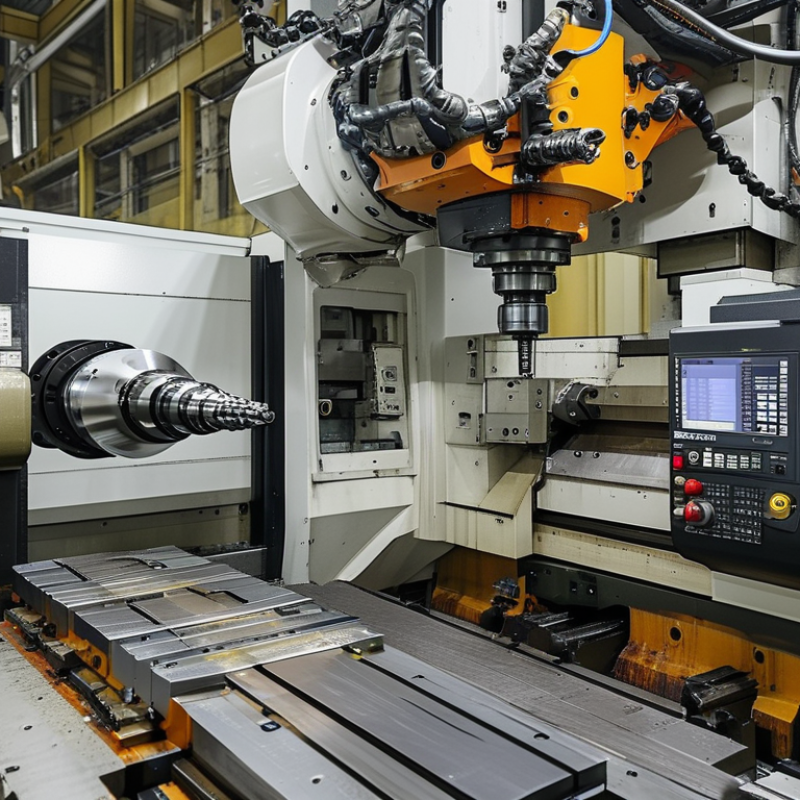
The automotive industry relies heavily on CNC (Computer Numerical Control) machines for precision manufacturing. According to a recent industry report, 65% of automotive components today are produced using CNC technology. This method ensures high repeatability and accuracy, crucial for safety-critical parts like engine blocks and transmission cases.
CNC machines offer various benefits, including enhanced efficiency. They can operate 24/7, significantly reducing production time. However, not all companies leverage this technology effectively. Some still depend on outdated methods, risking quality and competitiveness. Recent studies show that manufacturers that adopt modern CNC systems increase productivity by up to 30%. Yet, many firms hesitate to invest due to perceived costs and complexity.
Additionally, the integration of automation into CNC machining is reshaping the industry. Automated CNC machines can optimize workflows and minimize human error. However, the transition is not seamless. Companies often encounter challenges in training employees and adapting existing processes. Addressing these hurdles is vital for companies aiming to stay ahead in a rapidly evolving market.
When selecting CNC machines for the automotive industry, several key features demand careful consideration. Precision is crucial. Look for machines that guarantee tight tolerances. This ensures the parts manufactured meet high-quality standards. High-speed machining capabilities can significantly enhance productivity. A machine that operates efficiently can save time and costs in the long run.
Additionally, the material compatibility of the CNC machine is vital. Different automotive components require specific materials. Ensure the chosen machine can handle the range of materials you plan to use. Another important aspect is software compatibility. A user-friendly interface can streamline operations. This is essential, especially for complex designs.
One often overlooked feature is maintenance support. Reliable after-sales service can help minimize downtime. Ultimately, understanding your specific needs is key. Each operation may present unique challenges. Not every machine suits every buyer, so thoughtful evaluation is necessary.
In the automotive industry, CNC machines are essential for precision manufacturing. Various brands excel in this field, offering machines that cater to different needs. A reliable CNC machine should provide accuracy and adaptability. This is crucial, especially for complex automotive parts that require intricate designs and high tolerances.
Choosing the right machine involves weighing several factors. Users often face challenges like the learning curve associated with advanced features. It’s vital to consider after-sales support. Some brands may promise exceptional performance but fall short in service. A good balance between technology and customer support can enhance the user experience significantly.
Many manufacturers have adapted their CNC machines for specific automotive applications. This leads to unique features, such as improved cutting speeds and software compatibility. Still, there’s room for improvement. Upgrades can come at a high cost, and not every business is ready to invest. Companies must reflect on their specific needs and the potential return on investment to make informed decisions.
As the automotive industry evolves, the demand for reliable CNC machines skyrockets. Factors like performance and price determine a buyer's choice. Many CNC machines offer advanced features tailored to automotive manufacturing. However, performance does not always correlate with higher pricing.
Buyers must identify machines that balance cost and functionality. Some affordably priced CNC machines underperform or lack essential features. A thorough examination of technical specifications is crucial. Features such as spindle speed, axis motion, and material compatibility play significant roles in productivity. An investment in the right technology can significantly enhance output and efficiency.
Moreover, buyers should consider long-term maintenance costs. Some machines may have a lower upfront price but require expensive upkeep. It's essential to evaluate the total cost of ownership. Real user experiences aid in understanding real-life performance. Gathering insights from various sources helps refine decision-making. This reflection ensures a more informed purchase rather than an impulsive one.
The automotive industry is witnessing rapid advancements in CNC machinery. Future trends are leaning toward greater automation and enhanced precision. The integration of AI and machine learning is a game-changer. These technologies enable machines to learn and adapt for optimal performance. This shift promises improved efficiency in production lines.
Energy efficiency is becoming a priority for CNC machines. Manufacturers are focusing on sustainable practices and eco-friendly materials. There's a growing demand for machines that minimize waste and energy consumption. However, the initial costs of such technologies can be a hurdle. Companies may find it challenging to balance investment with production needs.
User experience is critical as well. Operators need training to fully utilize advanced CNC features. A lack of proper training can lead to inefficient usage. Many automotive companies are still grappling with this issue. As CNC technology evolves, organizations must emphasize knowledge sharing and support for operators.
: Precision is essential. Look for machines with tight tolerances for high-quality parts.
High-speed machining enhances productivity. It saves time and reduces costs in manufacturing.
Different automotive components use specific materials. Ensure the machine can handle your material range.
User-friendly software can streamline complex operations. It makes handling advanced designs easier.
Reliable after-sales service minimizes downtime. It keeps machines running efficiently without long interruptions.
Automation and precision are advancing. AI and machine learning enhance performance and efficiency.
Initial costs can be high. Balancing these costs with production needs is challenging for companies.
Proper training helps fully utilize advanced features. A lack of training can lead to inefficient operations.
Many struggle with providing adequate training. Knowledge sharing and support for operators are often lacking.
Companies should emphasize training and knowledge sharing. This approach is crucial for optimal machine usage.
The article "2026 Best Automotive CNC Machines for Global Buyers" provides a comprehensive overview of the crucial role of Automotive CNC Machines in the automotive industry. It emphasizes the importance of understanding key features such as precision, durability, and versatility when selecting CNC machines for automotive applications.
Additionally, the article explores various top CNC machine brands, comparing their performance and price to help buyers make informed decisions. As the demand for efficiency and innovation grows in automotive manufacturing, the article also highlights future trends in the development of CNC machinery, suggesting that advancements will continue to enhance productivity and precision in automotive production processes.

XINSHIHENG