Top Benefits of Using a Parallel Lathe for Global Manufacturing?

Time:2026-06-04 Author:Henry
0%

In the realm of global manufacturing, efficiency is paramount. The Parallel Lathe is a game changer. This machine excels in producing high-precision parts, enhancing productivity in various industries. Its ability to create complex shapes while retaining accuracy is critical for manufacturers striving for excellence.

Using a Parallel Lathe can significantly reduce production time. This results in quicker turnaround for projects and better resource allocation. Manufacturers can respond rapidly to market demands, which is essential in today’s fast-paced environment. Yet, the complexity of its operation requires skilled operators who understand its nuances. Mistakes can lead to costly errors, underscoring the need for proper training.

Moreover, embracing the Parallel Lathe comes with challenges. It demands a keen eye for detail and ongoing maintenance. Without consistent upkeep, performance may falter. Manufacturers must weigh these factors carefully. Harnessing the strengths of a Parallel Lathe can propel businesses forward, but it requires a willingness to adapt and learn. The commitment to continual improvement cannot be overstated.
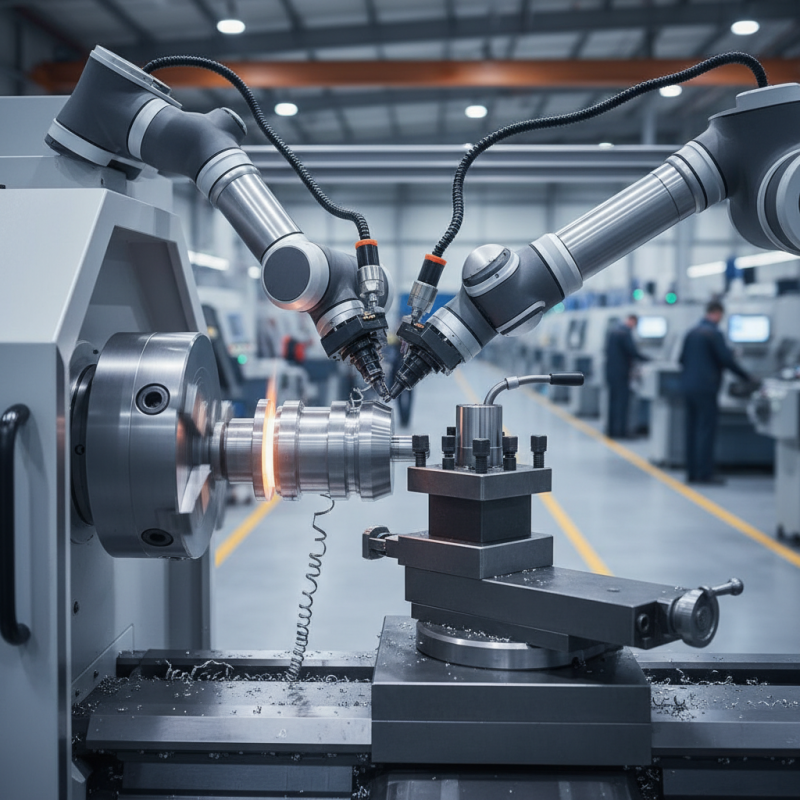
Top Benefits of Using a Parallel Lathe for Global Manufacturing?

Understanding Parallel Lathes: An Overview of Their Functionality

Parallel lathes play a crucial role in global manufacturing. They are versatile machines used for shaping and cutting various materials. Their design includes a rotating workpiece and a stationary cutting tool. This combination allows for high precision and excellent surface finishing. Industries benefit from the efficiency and accuracy of these machines, making them a preferred choice for metalworking.

In practice, using a parallel lathe involves more than just setting it up. Operators must be skilled to optimize its capabilities. Regular maintenance is necessary to ensure smooth operation. Neglecting upkeep can lead to costly errors. A well-maintained lathe enhances productivity and helps avoid downtime.

Tips for operators: Always calibrate your machine before starting a new project. Keep tools sharp for better cuts. Training enhances skills and ensures a safer working environment. Understanding the machine's intricacies can greatly improve output quality. Experimenting with different materials can yield valuable insights. Embracing these practices allows for a more productive manufacturing process.

Enhanced Precision and Accuracy in Global Manufacturing with Parallel Lathes

Using a parallel lathe can significantly enhance precision and accuracy in global manufacturing. Studies show that precision machining processes can improve product quality by up to 30%. This means fewer defects and higher customer satisfaction. Many manufacturers are adopting parallel lathes due to their ability to produce components with tight tolerances. These machines excel in creating cylindrical shapes with minimal runout.

For manufacturers, investing in high-quality parallel lathes can yield substantial long-term benefits. A report by the International Journal of Advanced Manufacturing Technology highlights that improved accuracy can reduce waste by nearly 25%. This decrease in waste contributes to cost savings and sustainability efforts. Additionally, parallel lathes are versatile, handling various materials like metals and plastics seamlessly.

**Tip:** Regular maintenance is crucial. Scheduling routine checks can prevent costly downtime.

While parallel lathes offer numerous advantages, they require skilled operators. Training is essential to optimize their capabilities. Operators must understand machine settings and tools for maximal efficiency. Misalignment or incorrect settings can lead to production delays and increased costs.

**Tip:** Encourage continuous education for operators. This investment pays off through increased efficiency and precision.

Top Benefits of Using a Parallel Lathe for Global Manufacturing

Boosting Production Efficiency: The Role of Parallel Lathes

Parallel lathes are crucial in global manufacturing. They significantly boost production efficiency. With their precise engineering, these machines reduce waste and improve consistency in output. Operators can produce complex shapes quickly. This results in shorter production cycles and lower costs. However, using them effectively requires skilled personnel.

Tip: Ensure your operators have comprehensive training. They should understand optimizing speeds and feeds.

Efficiency is enhanced by the ability to perform multiple operations. Parallel lathes enable turning and drilling simultaneously. This integration helps in streamlining workflows. But, it’s essential to regularly check the alignment and calibration. Misalignment can lead to increased scrap rates.

Tip: Regular maintenance is vital. Schedule periodic checks to avoid unnecessary downtime.

Moreover, the versatility of parallel lathes allows for a wide range of materials. From metals to plastics, they handle various substrates effectively. Nevertheless, not every project requires a lathe. Sometimes, other machinery may serve better. Analyzing production needs is necessary for optimal machine use.

Cost-Effectiveness: Savings Through Parallel Lathe Utilization

Using a parallel lathe can bring significant cost savings for manufacturers worldwide. These lathes enable efficient production of cylindrical parts with high precision. Their design allows for quick and easy setup, minimizing downtime. This efficiency translates directly to reduced operational costs, which is crucial in today’s competitive market.

Tips for maximizing cost-effectiveness with a parallel lathe: focus on proper maintenance. Regular checks can prevent costly breakdowns. Additionally, using the right tools and speeds can enhance productivity. Monitor progress closely to identify areas for improvement in the workflow.

Investing in skilled operators is another crucial aspect. Training can optimize the use of a parallel lathe. However, it’s important to remain aware of potential pitfalls. Overlooking minor adjustments can lead to inefficiencies. Continuous evaluation is essential to maintain the benefits achieved.

Versatility in Manufacturing: Applications of Parallel Lathes Across Industries

Parallel lathes play a crucial role in various manufacturing processes across industries. Their versatility allows for a wide range of applications, from producing intricate components in the aerospace sector to crafting precision parts in automotive manufacturing. These machines excel in creating cylindrical shapes with minimal waste, making them ideal for modern production needs. Industries appreciate their ability to handle both large batches and custom orders efficiently.

The adaptability of parallel lathes is a significant advantage. They can be fitted with various tools for different tasks, such as drilling or threading. This flexibility means that manufacturers can respond quickly to changing market demands. However, despite their capabilities, some operators might struggle with maintaining consistent precision over time. Regular maintenance and operator training are essential for overcoming these challenges. Investing time in improving skills can lead to better outputs and fewer errors.

Additionally, while parallel lathes are powerful, they do have limitations. They may not be the best choice for all types of materials or geometries. In some cases, users find themselves facing constraints that require innovative approaches. A creative mindset can often transform these limitations into unique opportunities for improvement in production processes. The challenges encountered can foster a deeper understanding of machining, resulting in enhanced manufacturing quality.

FAQS

: What are the cost benefits of using a parallel lathe?

: Parallel lathes reduce operational costs by improving efficiency and minimizing downtime in production.

How can manufacturers maximize savings with parallel lathes?

Regular maintenance, proper tool usage, and speed adjustments are crucial for enhancing productivity and saving costs.

What is the importance of training for operators?

Skilled operators improve the use of parallel lathes, but overlooking minor adjustments can lead to inefficiencies.

In what industries are parallel lathes commonly used?

They are essential in aerospace, automotive, and other sectors for producing cylindrical parts with high precision.

How adaptable are parallel lathes to different manufacturing tasks?

Parallel lathes can be fitted with various tools for tasks like drilling, allowing responses to market changes.

What challenges do operators face with parallel lathes?

Maintaining consistent precision over time can be difficult; ongoing training and maintenance are vital solutions.

Are there limitations to using parallel lathes?

Yes, they may not suit all materials or geometries, requiring creative approaches to overcome production constraints.

Why is regular monitoring important in the workflow?

Monitoring helps identify areas for improvement, ensuring ongoing efficiency and quality in production processes.

Can creativity help improve production processes?

Yes, a creative mindset can turn limitations into opportunities, enhancing manufacturing quality and output.

What happens if maintenance is neglected?

Neglecting maintenance can lead to costly breakdowns, which can disrupt production and impact operational efficiency.

Conclusion

The article "Top Benefits of Using a Parallel Lathe for Global Manufacturing" explores the significant advantages of parallel lathes in enhancing manufacturing processes. It begins with an overview of the functionality of parallel lathes, which are essential for producing precise cylindrical components. One of the standout benefits includes enhanced precision and accuracy, enabling manufacturers to achieve high-quality standards critical for global markets.

Additionally, parallel lathes significantly boost production efficiency, allowing for faster turnaround times while maintaining quality. The cost-effectiveness of utilizing parallel lathes is also underscored, as they lead to savings through reduced waste and optimized resources. Finally, the versatility of parallel lathes across various industries showcases their wide-ranging applications, making them indispensable tools in modern manufacturing practices. Overall, the integration of parallel lathes in manufacturing plays a crucial role in meeting the demands of today's competitive landscape.


Henry

Henry

Henry is a dedicated marketing professional with a profound expertise in the company's offerings. With years of experience in the industry, he possesses an impressive understanding of the market dynamics and consumer behaviors that drive success. Henry is committed to sharing his insights through......