In today's competitive market, businesses are constantly seeking ways to enhance efficiency and quality. A CNC cutting machine has emerged as a game-changer in various industries. This advanced technology streamlines production processes, delivers precision, and reduces waste. Whether you operate in manufacturing, construction, or design, incorporating CNC machines can elevate your business operations.
CNC cutting machines are known for their ability to handle complex designs with high accuracy. They can cut through various materials such as metal, wood, and plastics. This versatility allows businesses to expand their offerings and cater to a wider range of clients. However, the initial investment may seem substantial, raising questions about long-term value. It’s crucial to evaluate if the benefits outweigh the costs.
Moreover, while the technology promises efficiency, it requires skilled operators to maximize its potential. Training your staff is essential to ensure safe and effective usage. Embracing this technology means constantly assessing your workflow and adapting to new challenges. A CNC cutting machine can be a pivotal asset, but it demands commitment and the right approach to truly unlock its advantages.
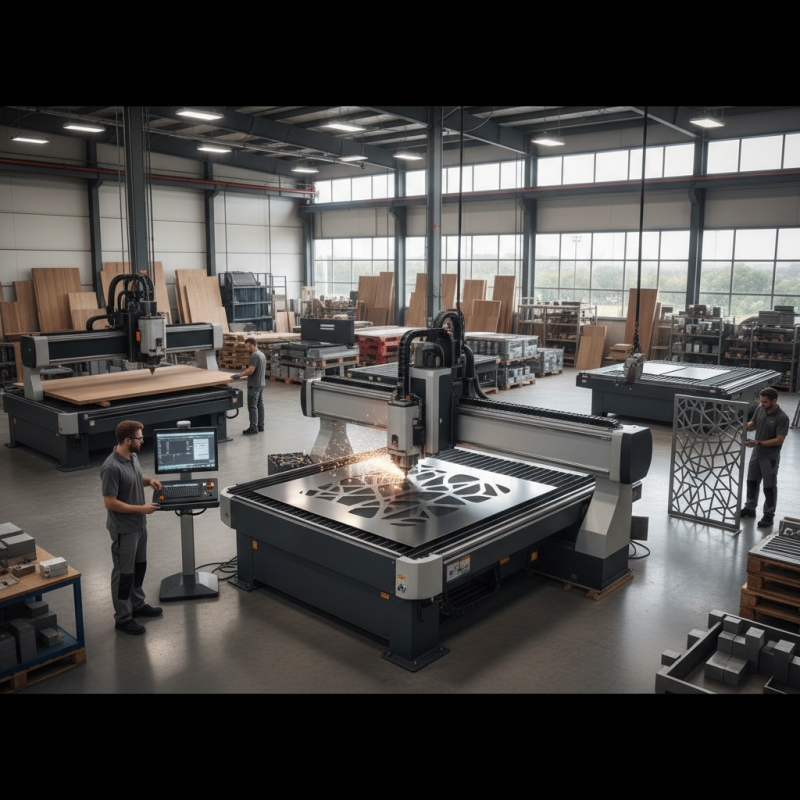
CNC cutting machines are transforming precision in various industries. According to a report by Technavio, the CNC machine market is expected to grow at a compound annual growth rate (CAGR) of over 6% between 2021 and 2025. This growth is driven by the increasing demand for accuracy in manufacturing processes. CNC machines can operate within tolerances of just a few microns, ensuring that each cut is precise and consistent. This level of accuracy reduces material waste, lowers production costs, and improves overall efficiency.
The benefits are evident in sectors like aerospace and automotive. A case study from the International Journal of Advanced Manufacturing Technology notes that companies using CNC machines achieved up to 50% savings in rework costs. This is substantial compared to traditional cutting methods. High precision also allows for complex designs that were previously unfeasible. Despite these advantages, companies must be aware of the initial investment and the need for skilled operators. Not every organization is equipped to handle these machines, which can lead to challenges in training and maintenance.
Integrating CNC technology can profoundly impact businesses, but it's not without its hurdles. The reliance on advanced machining techniques necessitates ongoing education and adaptation. Each company must reflect on its capacity to integrate this technology effectively. The journey to precision is an evolving one, demanding constant improvement and a willingness to learn from shortcomings.
| Benefit | Description | Impact on Business |
|---|---|---|
| Increased Precision | CNC machines deliver high accuracy, ensuring the products meet exact specifications. | Reduces waste and improves customer satisfaction. |
| Higher Production Speed | CNC machines operate consistently and can run unattended. | Increases output and supports scalability. |
| Reduced Labor Costs | Less manual intervention needed leads to lower staffing costs. | Improves overall profitability. |
| Design Flexibility | Easily modify designs and produce complex shapes. | Enhances creativity and innovation in product development. |
| Consistency and Quality | CNC machinery ensures uniformity in production runs. | Builds a reputable brand image. |
| Safety Improvements | Automated processes reduce the risk of worker injury. | Enhances workplace safety standards. |
| Material Efficiency | Optimizes the use of materials with precise cuts. | Lowers material costs and reduces waste. |
| Reduced Setup Time | Quickly changeover for different jobs using software adjustments. | Maximizes production efficiency. |
| Remote Operation | Control machines via computer, improving operational flexibility. | Facilitates multitasking and enhances workflow. |
| Long-term Cost Savings | Initial investment leads to lower costs over time due to efficiency gains. | Improves overall profit margins in the long run. |
: CNC machining ensures precise cuts, minimizing leftover materials and reducing costs over time.
Regular maintenance checks can prevent breakdowns. This helps in reducing excess material waste.
Advanced software optimizes cutting paths, maximizing material usage while limiting scraps.
Trained operators adjust settings effectively, which helps in refining processes and reducing waste.
Operators need to wear safety glasses and gloves, ensuring protection from potential hazards.
Poor setups or incorrect parameters can lead to increased waste and inefficiencies in operations.
Regular safety audits help identify potential hazards in the workspace, promoting a safer environment.
Even with advanced machines, human error can occur. Constant vigilance is essential for minimizing risks.
Continually reviewing and adjusting production methods can enhance efficiency and sustainability over time.
Yes, while automation reduces hazards, human error can still occur, making training and vigilance important.
CNC cutting machines offer numerous advantages that can significantly benefit businesses across various industries. One of the primary benefits is the enhanced precision they provide, allowing for meticulous cutting and shaping of materials, thus improving overall accuracy in production. The efficiency of CNC technology is another crucial factor, as it streamlines processes and reduces production times, ultimately leading to increased output. Furthermore, these machines contribute to cost-effectiveness by minimizing material waste, which can result in substantial savings over time.
In addition to these benefits, CNC cutting machines are highly versatile, able to adapt to a wide range of materials and applications, making them suitable for different projects. Moreover, the implementation of CNC equipment enhances workplace safety by reducing the potential hazards often associated with manual cutting processes. Overall, the integration of CNC cutting machines into business operations can lead to improved performance, reduced costs, and a safer working environment.

 XINSHIHENG