2026 Top CNC Cutting Machine Types for Global Buyers

Time:2026-09-06 Author:Charlotte
0%

Global buyers entering 2026 face a wider range of Cnc Cutting Machine options than ever before. Fiber laser, plasma, waterjet, oxy-fuel, CNC router, and wire EDM systems serve different materials, tolerances, and production volumes. A thin stainless-steel bracket may need a fiber laser, while a 100 mm carbon-steel plate could require plasma or oxy-fuel equipment. The right choice depends on more than cutting speed.

Industry forecasts show why this market deserves careful evaluation. Grand View Research estimates that the global CNC machine market reached approximately USD 83.8 billion in 2023 and may expand strongly through 2030. MarketsandMarkets also projects continued growth, driven by automation, aerospace production, automotive components, and smart factories. These figures describe the wider CNC sector, not cutting machines alone. That distinction matters.

The International Federation of Robotics reported 541,302 industrial robots installed worldwide in 2023. This trend increases demand for connected cutting cells, automatic loading, nesting software, and reliable after-sales support. Yet market reports use different definitions, so their forecasts are not perfectly comparable. Buyers should remain cautious.

This guide compares the top Cnc Cutting Machine types for global purchasing decisions in 2026. It examines power, accuracy, consumable costs, maintenance, energy use, operator skill, and material compatibility. Factory experience suggests that the cheapest quotation is rarely the lowest total cost. A powerful machine can still disappoint when software, ventilation, training, or spare parts are weak. Local service matters. So does honest specification checking.
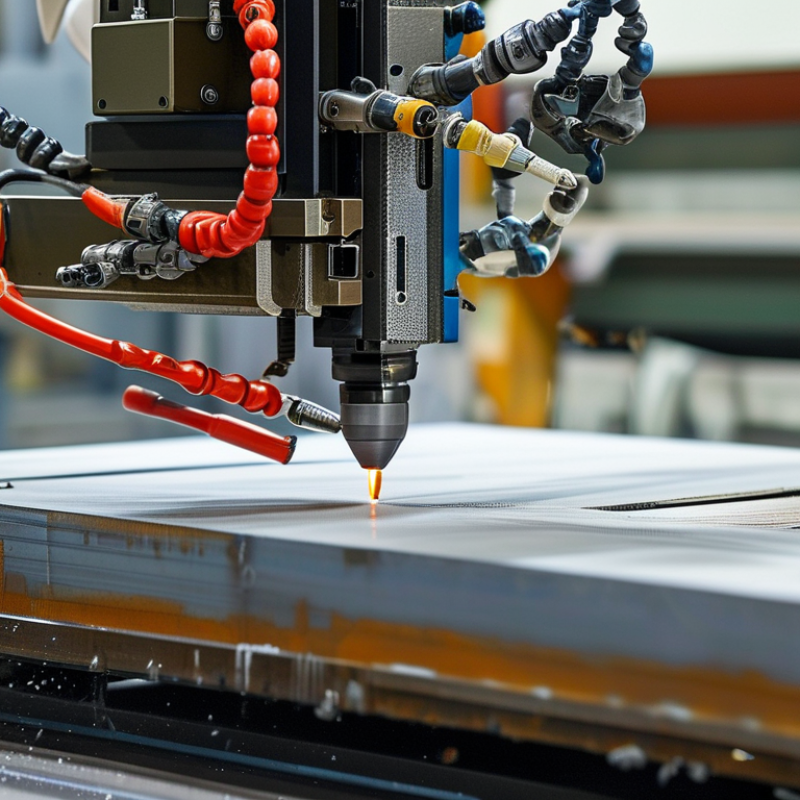
2026 Top CNC Cutting Machine Types for Global Buyers

What Is a CNC Cutting Machine?

A CNC cutting machine is a computer-controlled tool that cuts, shapes, or engraves materials with programmed movement. CNC means computer numerical control. The machine follows digital coordinates instead of relying entirely on manual operation. A technician prepares the design, sets cutting parameters, and checks the material before production begins.

Different CNC machines use different cutting methods. Laser systems create narrow, precise cuts in suitable metals, plastics, and other materials. Plasma machines cut conductive metal quickly, especially for thicker sheets. Routers commonly process wood, acrylic, foam, and composite boards. Waterjet machines use high-pressure water, sometimes with abrasive particles, to cut stone and metal without creating a heat-affected edge.

Accuracy depends on more than the machine itself. Material thickness, tool condition, speed, air pressure, and workholding all influence the result. A loose sheet may shift during cutting. A worn nozzle can widen a plasma cut. Small errors become obvious around corners and holes. That is why experienced operators verify drawings, test a small section, and measure the first finished part.

The process is not magic. A perfect digital file can still produce a poor component. Buyers should compare required materials, tolerances, maintenance needs, energy use, and operator skill. Safety features also matter, including guarding, ventilation, emergency stops, and suitable personal protective equipment. In real workshops, careful setup often matters as much as cutting speed.

2026 Top CNC Cutting Machine Types for Global Buyers

CNC cutting machines use computer-controlled toolpaths to cut, shape, or profile materials with high repeatability. The chart compares representative maximum mild-steel thickness capabilities for four widely used CNC cutting technologies.

Values are representative industry capabilities and vary according to machine power, cutting head, material grade, speed, and required edge quality. CNC routers are generally used for non-metal materials rather than mild steel.

Main Types of CNC Cutting Machines in 2026

In 2026, CNC cutting machines are divided by cutting method, material, and production goal. CNC laser cutters use a focused beam for clean, narrow cuts in steel, stainless steel, aluminum, and thin nonmetal sheets. They support detailed patterns and reduce secondary finishing. However, reflective metals and thick plates require careful power settings. Small setup errors matter.

CNC plasma cutters use an electric arc to cut conductive metals quickly. They are practical for structural steel, workshops, and medium-thickness plates, though edges may show dross or slight taper. CNC waterjet cutters use high-pressure water, often mixed with abrasive material. They cut metal, stone, glass, and composites without creating a heat-affected zone. The process is precise, but pumps, water treatment, and noise need attention. It is not effortless.

CNC routers use rotating tools for wood, plastics, foam, laminates, and some aluminum applications. They are valuable for panels, signs, molds, and three-dimensional parts. Oxy-fuel CNC machines remain useful for thick carbon steel, but they create a wider heat-affected zone and usually cut more slowly. Global buyers should compare working area, repeatability, software compatibility, electrical requirements, consumable costs, guarding, and local technical support. Request test cuts with the exact material and thickness. Inspect kerf width, burrs, edge taper, and dimensional accuracy. A low purchase price can hide expensive maintenance. Dust extraction is easy to overlook. Yet poor extraction can disrupt daily production.

How Different CNC Cutting Technologies Work

2026 Top CNC Cutting Machine Types for Global Buyers

How Different CNC Cutting Technologies Work

CNC cutting machines convert digital drawings into controlled tool paths. The best choice depends on material, thickness, edge quality, and production volume. According to Grand View Research, the global CNC machine market reached about USD 83.99 billion in 2023. Laser systems use a focused beam to melt or vaporize metal. They produce narrow kerfs and precise small features. Plasma cutters use an electrically heated gas jet. They handle conductive steel quickly, although their heat-affected zones can be wider. Waterjet machines cut with high-pressure water and abrasive particles. They create minimal thermal distortion, which helps with stone, glass, and layered materials.

Oxy-fuel systems burn fuel gas with oxygen. They remain practical for very thick carbon steel. CNC routers use rotating tools for wood, plastics, composites, and aluminum. MarketsandMarkets reported that the laser cutting machine market was valued at approximately USD 6.8 billion in 2023. That figure suggests strong demand, but market reports use different definitions. Buyers should check the original methodology. In a workshop, a shiny edge is not enough; burrs, taper, noise, and maintenance time also matter.

Tips: Request test cuts using your actual sheet grade and thickness. Measure kerf width, heat distortion, cycle time, and power use. A fiber laser may impress on thin steel, yet a waterjet can perform better on heat-sensitive parts. The “best” machine is sometimes the wrong one for your workflow.

Key Factors for Comparing CNC Cutting Machines

When comparing CNC cutting machine types for 2026 purchasing, start with the material and production goal. Fiber systems suit many metal sheets, while plasma machines handle thicker steel economically. Waterjet machines cut heat-sensitive materials without a thermal edge. Router machines remain practical for wood, plastics, composites, and softer boards.

Cutting speed can mislead. Measure the kerf, edge quality, and dimensional tolerance on your actual materials. A fast machine may produce more rework when thin aluminum warps or reflective metals challenge the process. In workshop trials, I record piercing time, cutting speed, noise, dust, and operator adjustments. Small details matter. Ask for sample cuts using your own drawings, not only supplier demonstrations. My early comparisons focused too heavily on maximum speed and missed maintenance access.

The control system deserves equal attention. Check file compatibility, nesting functions, offline programming, and training requirements. A reliable machine should provide stable motion, clear alarms, guarding, and documented safety procedures. Compare power consumption, consumable costs, spare-part availability, and technical response times over several years. Cheap ownership is not always cheap. Review the machine’s working area against future material sizes, because an undersized table can restrict growth. Also inspect the frame, drive components, extraction system, and positioning accuracy before signing a purchase agreement. “Perfect” specifications can still perform poorly in a crowded, dusty workshop.

2026 Top CNC Cutting Machine Types for Global Buyers - Key Factors for Comparing CNC Cutting Machines

CNC Machine Type Primary Cutting Process Common Materials Typical Material Thickness Typical Cutting Accuracy Edge Quality Main Advantages Key Limitations Best-Suited Applications Relative Operating Cost
CNC Router Rotating mechanical tool removes material by milling or routing. Wood, MDF, plywood, plastics, foam, acrylic, aluminum and composite panels. Usually 3–80 mm, depending on spindle power, tooling and workholding. Approximately ±0.05–0.20 mm on a properly calibrated machine. Clean on wood and plastics; may require sanding or deburring. Versatile, relatively low entry cost, supports 2D and 3D machining, and can perform drilling, engraving and pocketing. Produces chips and cutting noise; tools wear over time; less suitable for very hard metals. Furniture parts, signage, cabinet components, molds, prototypes and non-ferrous metal panels. Low to medium
CO₂ Laser Cutter Infrared laser beam thermally vaporizes or melts the workpiece. Wood, acrylic, paper, textiles, rubber, leather, plastics and selected non-metallic materials. Commonly 0.5–25 mm, depending on material type and laser power. Approximately ±0.05–0.15 mm in industrial applications. Very narrow kerf with smooth edges; some materials may show heat discoloration. Fast, non-contact processing, fine detail capability and minimal mechanical force on thin materials. Generally unsuitable for reflective metals; generates fumes and requires extraction and optical maintenance. Decorative products, packaging, model making, textiles, acrylic displays and small-batch fabrication. Low to medium
Fiber Laser Cutter High-energy solid-state laser melts and cuts electrically conductive metals. Carbon steel, stainless steel, aluminum, brass, copper and galvanized sheet. Approximately 0.5–30 mm for many production systems; thicker ranges require higher power and slower cutting. Approximately ±0.03–0.10 mm, depending on machine design and material thickness. Clean, narrow kerf with a small heat-affected zone and limited secondary finishing. High production speed, excellent repeatability, low consumable use and strong performance on sheet metal. Higher initial investment; reflective metals require suitable system design; thick materials may need slower processing. Sheet-metal fabrication, electrical cabinets, automotive components, appliances and precision parts. Medium to high
CNC Plasma Cutter Ionized gas arc melts metal while a high-speed gas stream removes molten material. Mild steel, stainless steel and aluminum. Usually 1–50 mm; heavy-duty systems can process thicker plate at reduced speed and quality. Approximately ±0.15–0.50 mm, depending on plasma technology and material thickness. Good for general fabrication; dross and a heat-affected zone may require cleanup. Fast on medium and thick conductive metal, lower equipment cost than many laser systems and suitable for large plates. Wider kerf, more heat input and lower fine-detail capability than laser cutting. Structural parts, machinery frames, agricultural equipment, metal artwork and general steel fabrication. Low to medium
CNC Waterjet Cutter High-pressure water, with abrasive particles when required, erodes the material. Stone, glass, ceramics, composites, stainless steel, aluminum, titanium and other metals. Commonly 5–150 mm; specialized systems can cut thicker sections. Approximately ±0.05–0.15 mm, depending on cutting head, material and quality setting. No heat-affected zone; high-quality cuts are possible, although taper may occur in basic setups. Cuts heat-sensitive, hard and reflective materials with minimal thermal distortion. Slower than laser or plasma for many sheet-metal jobs; abrasive and water-treatment costs can be significant. Stone and tile work, aerospace parts, architectural metalwork, glass and composite components. High
CNC Oxy-Fuel Cutter Fuel gas and oxygen heat steel to ignition temperature, then oxygen oxidizes and removes the material. Carbon steel and low-alloy steel; not suitable for most stainless steel or aluminum. Approximately 6–300 mm, with industrial systems extending beyond this range. Approximately ±0.30–1.00 mm, depending on plate thickness and machine setup. Acceptable for heavy plate; oxide scale and post-cut cleanup are common. Effective for very thick carbon-steel plate, relatively low equipment cost and low electrical power demand. Slow on thin sheet, creates substantial heat input and cannot cut many non-ferrous materials. Heavy structural fabrication, shipbuilding, construction machinery and large steel plate preparation. Low
CNC Oscillating Knife Cutter Powered knife blade oscillates or drags through flexible or semi-rigid sheet materials. Foam, cardboard, textiles, leather, felt, rubber, gaskets, insulation and composites. Usually 1–50 mm, depending on blade type, material density and compression. Approximately ±0.10–0.30 mm. Cold-cut edges with no burning; edge quality depends strongly on blade sharpness and material structure. No thermal damage, low noise compared with thermal cutting and suitable for layered or delicate materials. Not intended for hard metals; blades require replacement and thick dense materials may compress during cutting. Packaging, upholstery, automotive interiors, protective foam, technical textiles and gasket production. Low to medium
CNC Wire EDM Controlled electrical discharges erode conductive material using a continuously moving wire. Hardened tool steel, carbide, titanium, nickel alloys and other electrically conductive materials. Commonly up to 200–300 mm, subject to machine capacity and flushing conditions. Approximately ±0.002–0.010 mm for precision finishing operations. Extremely accurate and capable of intricate profiles; surface finish improves with skim cuts. Cuts hardened materials without mechanical cutting force and supports complex fine-detail geometries. Only conductive materials can be processed; cutting speed is relatively slow and workpieces must be submerged or flushed. Precision molds, dies, punches, medical components and complex hardened-metal parts. High

Note: The figures shown are typical industry ranges for comparison purposes. Actual performance depends on machine construction, power rating, tooling, material grade, thickness, programming, maintenance and operator skill.

How Global Buyers Can Select the Right CNC Cutter

2026 Top CNC Cutting Machine Types for Global Buyers

How Global Buyers Can Select the Right CNC Cutter

Start with material. Carbon steel, aluminum, stone, wood, and composites need different cutting methods. Fiber laser suits thin and medium metal sheets with narrow kerfs. Plasma handles thicker steel at lower entry costs. Waterjet protects heat-sensitive materials, but usually demands more floor space and water management. CO2 laser remains useful for selected nonmetal applications.

Grand View Research valued the global CNC machine market at approximately USD 83.75 billion in 2023. Its 2024 analysis also projects strong growth through 2030. This expansion creates more choices, not necessarily better decisions. Match the machine to your daily workload, not a showroom demonstration. Tolerance changes cost.

Check maximum thickness, working area, acceleration, positioning accuracy, and expected uptime. ISO 230-2 provides a useful framework for testing positioning accuracy and repeatability. Ask for cutting samples using your actual material, thickness, and drawing files. A clean edge on a thin sample proves little. Request the full cycle time, consumables used, and post-cut measurements.

Automation deserves careful attention. The International Federation of Robotics reported 541,302 industrial robots installed worldwide in 2023. A CNC cutter should therefore communicate reliably with loading systems, production software, and inspection tools. Confirm file compatibility, safety functions, electrical requirements, and local service capacity before purchase. Hidden downtime is expensive. I would also budget for dust extraction, cooling, spare optics, nozzles, and operator training. A lower purchase price can become the costliest option.

FAQS

: What is a CNC cutting machine?

: It is a computer-controlled tool that cuts, shapes, or engraves materials. It follows digital coordinates. A technician still checks setup and results.

Which materials can CNC machines process?

Different machines handle metals, wood, acrylic, foam, stone, glass, and composites. Material thickness matters greatly. A single machine may not suit every material.

How does a laser cutter work?

A focused beam melts or vaporizes suitable materials. It can create narrow cuts and small details. Heat-sensitive parts may need another method.

When is plasma cutting useful?

Plasma cutting suits conductive metals, especially thicker steel sheets. It works quickly. However, heat distortion and wider edges can appear.

Why choose waterjet cutting?

Waterjet cutting uses high-pressure water, sometimes with abrasive particles. It creates little heat distortion. This helps with stone, glass, and layered materials.

What should buyers check before selecting a CNC cutter?

Check material type, thickness, work area, tolerance, cycle time, and expected uptime. Ask for test cuts. Use your actual material and drawing files.

Does machine accuracy depend only on the equipment?

No. Tool condition, speed, air pressure, and workholding also affect accuracy. A loose sheet may shift. A worn nozzle can widen a cut.

What safety features should a CNC machine include?

Look for guarding, ventilation, emergency stops, and suitable protective equipment. Dust extraction may also be necessary. Safety should not become an afterthought.

Are automated CNC systems always the better choice?

Automation can improve material handling and production consistency. It also requires reliable software and compatible equipment. More automation means more setup responsibility.

Can a low purchase price reduce total costs?

Not always. Maintenance, cooling, spare parts, training, and downtime can increase expenses. Cheap can become costly. A showroom sample may hide real workflow problems.

Conclusion

A Cnc Cutting Machine is a computer-controlled system designed to cut, shape, or process materials with high accuracy, repeatability, and efficiency. In 2026, global buyers can choose from several major types, including CNC laser cutters, plasma cutters, waterjet cutters, router machines, and precision knife or milling systems. Each technology works differently: lasers use concentrated heat, plasma uses an electrically generated arc, waterjets use high-pressure abrasive streams, and routers or knives rely on mechanical cutting tools. The best choice depends on the material, thickness, required precision, production volume, and desired surface quality.

When comparing CNC cutting machines, buyers should evaluate cutting speed, operating accuracy, automation level, software compatibility, maintenance requirements, energy use, safety features, and total ownership cost. It is also important to consider available workspace, operator training, after-sales technical support, spare parts access, and compliance with local regulations. By matching the machine’s cutting method and configuration with their specific production goals, international buyers can achieve reliable performance, efficient workflows, and long-term value.


Charlotte

Charlotte

Charlotte is a seasoned marketing professional with a deep understanding of the company's portfolio and a passion for elevating its presence in the market. With a keen eye for detail and a commitment to excellence, she ensures that our professional blog is regularly updated with insightful articles......